Here's the thing about desire that nobody talks about
Your arousal doesn't work like an on-off switch. For many people, especially those in longer relationships or managing stress, desire arrives after physical stimulation begins, not before it. This is called responsive desire. It's not a malfunction. It's actually how most bodies work, and the research backs that up.
The friction happens when one partner wants to initiate and the other doesn't feel "in the mood" yet. Someone waits for spontaneous desire to strike. Someone else feels rejected. Neither person is wrong. The mismatch just needs a bridge.
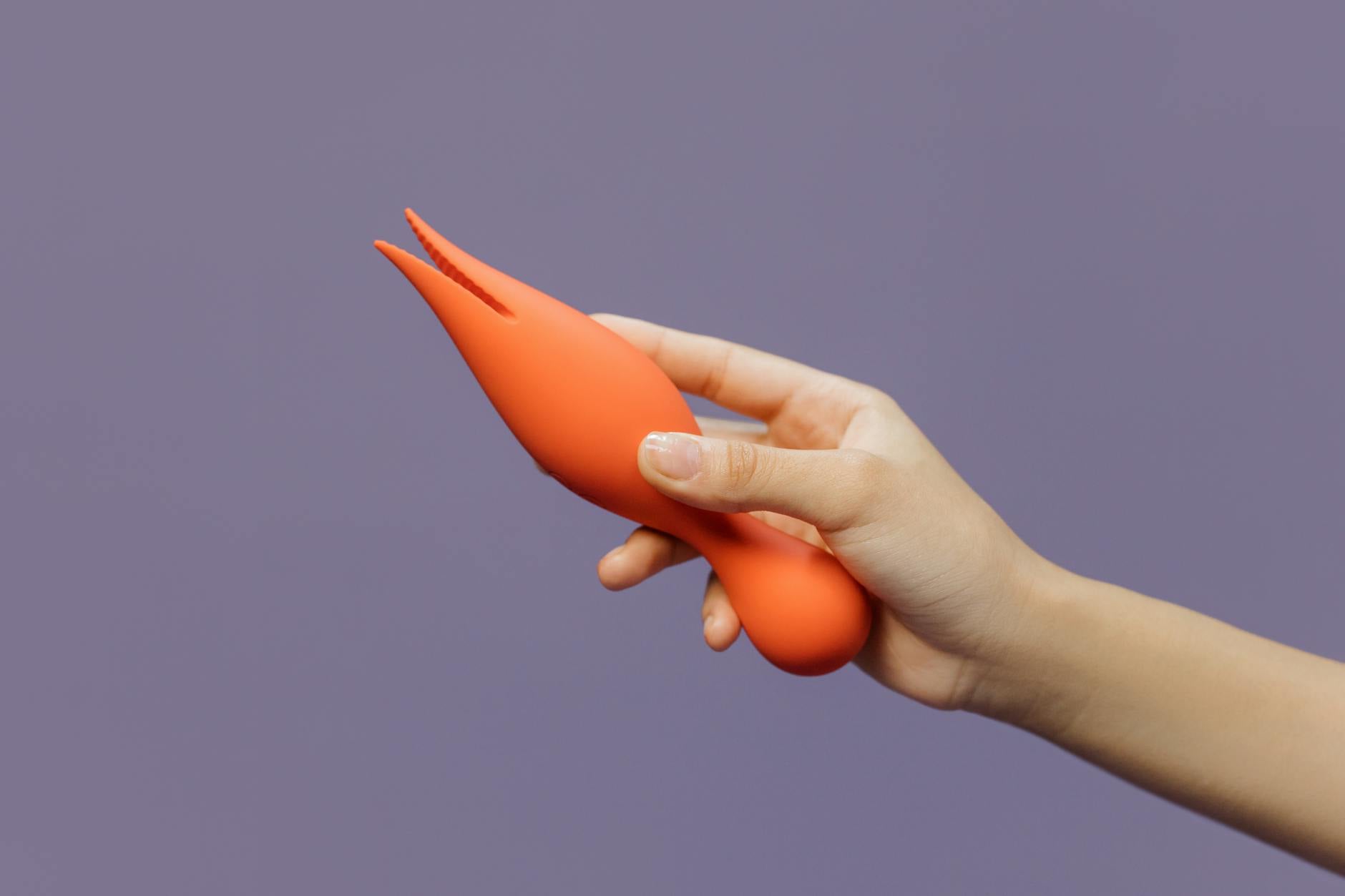
That bridge exists. And for a lot of couples navigating responsive desire patterns, a lemon vibrator fills that gap in a way traditional toys or manual stimulation can't. Not because it's magic, but because of how suction-based stimulation actually engages the nervous system.
Why responsive desire and traditional vibrators don't mix well
Classic vibrators work by creating sustained friction. They're intense. They demand immediate, full attention. If you're someone who needs to ease into arousal, that intensity can feel overwhelming or even numbing over time. You're trying to warm up slowly, and the toy is showing up at full volume from minute one.
Lemon vibrators, specifically suction-based designs like the Hello Nancy Lem, work differently. They create a gentle pulling sensation that mimics oral stimulation. The rhythm is steady but not jarring. The sensation builds gradually instead of hitting hard immediately.
For responsive desire patterns, this matters enormously. You can start at a low intensity. Your nervous system can adjust. Arousal actually has room to develop.
The neuroscience of responsive desire and suction stimulation
When you use responsive desire as your baseline, your body needs permission to transition from rest to arousal. Your parasympathetic nervous system is still active. It needs a signal that feels safe enough to downregulate and let the sympathetic nervous system take over.
High-intensity vibration can feel like an assault to a nervous system that's not ready. Suction feels different. It's rhythmic. It's almost meditative. The sensation doesn't demand immediate response. It invites gradual engagement. Research on sexual response patterns shows that people with responsive desire patterns show measurably higher arousal when stimulation begins gently and builds in layers.
Lemon adult toys like the Hello Nancy products are designed exactly this way. You control the intensity. You're not trying to catch up to a toy that's already at full tilt.
How couples use lemon vibrators when desire timing doesn't align
Here's a practical scenario I see often in my therapy practice. One partner initiates. The other doesn't feel immediate desire but is willing. What happens next determines everything.
Scenario one (traditional approach): penetrative sex begins. The partner without initial desire focuses on performing rather than experiencing. Arousal stays shallow. Eventually both partners feel frustrated because the experience felt obligatory rather than intimate.
Scenario two (with a lemon vibrator): Manual foreplay or oral begins. After 5-10 minutes, a partner introduces a lemon clitoral vibrator at setting 1 or 2. The sensation is novel and soothing. Arousal builds. The responsive desire person actually feels desire arriving, not just going through motions. Both partners experience genuine pleasure rather than one person performing.
The second scenario is wildly more common among couples who have integrated suction vibrators into their intimate routine. One partner told me: "I used to feel like I was holding us back. Now I feel like I'm actually arriving at pleasure instead of pretending to already be there."
Talking to your partner about responsive desire
This is where it gets real. Many people with responsive desire patterns think their body is broken. Many partners of people with responsive desire think they're being rejected. Neither is true.
The conversation needs to happen outside the bedroom first. Say something like: "My body works differently than I used to think it did. I don't feel immediate arousal, but I absolutely feel desire once we start. This isn't about you." Then: "I want to try something that might help both of us feel better." A lemon vibrator becomes the tool that proves this is true.
When you introduce the vibrator together, there's zero pressure. You're literally saying: "Let's explore this at whatever pace feels good." That removes the performance element entirely.
The pattern that changes everything
Once couples start using lemon vibrators with responsive desire patterns, a few things shift. First, the person with responsive desire stops viewing their body as difficult. They're actually experiencing pleasure reliably. That confidence changes everything.
Second, the initiating partner stops interpreting a lack of immediate arousal as rejection. They understand the pattern now. They can participate in creating the conditions for desire to emerge.
Third, both partners report higher satisfaction overall. Not just because the sex is better, but because the preceding negotiation is better. You're communicating. You're problem-solving together. You're not trapped in the old pattern of spontaneous desire that most of us were taught to expect.
When to introduce a lemon vibrator into responsive desire dynamics
Timing matters. Not every initiation needs a toy involved. But having one available means you have options.
I typically suggest couples try introducing it during one of the partner's higher-arousal windows. If you know Tuesday nights tend to feel better than others, that's a logical time. No surprises. Just: "I'm in the mood. Want to explore with the Lem?" You're naming both the invitation and the tool in the same breath.
Start clothed. Start with the setting at the lowest level. The goal isn't to reach orgasm immediately. The goal is to let your nervous system register the sensation and feel safe with it. Many couples find that after three or four experiences, responsive desire patterns actually accelerate. Your body learns that this kind of stimulation is safe and pleasurable.
Common friction points and how to navigate them
One partner worries that using a vibrator means the other isn't attracted to them anymore. This is false. A lemon vibrator isn't a replacement for a partner. It's a tool that helps responsive desire arrive faster. Frame it that way explicitly.
Another partner feels self-conscious about needing longer to get aroused. Reframe this: responsive desire is extraordinarily common. Studies show that upwards of 70 percent of vulva-owners experience it as their primary arousal pattern at some point. You're not unusual. You're normal.
A third partner worries the vibrator will numb their sensitivity over time. This is less likely with lemon vibrators than with other toy types, because suction doesn't create the same kind of sustained pressure stimulation does. But if numbness does appear, the solution is simple: take a break for a week or two. Your nerves will reset. When you come back, the sensation will feel fresh again.
The reality of desire after months of using this approach
I've worked with couples for years. The ones who integrate tools like lemon vibrators into responsive desire dynamics report something consistent: their desire actually becomes less responsive over time. Not less frequent. Less fragile.
What I mean is this. At first, they need the tool to warm up. That's fine. But after several months, many report that the tool becomes optional. Their body has learned the pattern. Arousal starts arriving faster on its own. The vibrator shifts from a necessity to a nice option.
That's how you know it's working. The tool doesn't create dependency. It creates confidence. Your nervous system learns that arousal is reliable and available. That knowledge changes how responsive desire actually functions.
What to expect in the first two weeks
Week one is often weird. The sensation is new. It might feel strong or subtle. You might not know how to position yourself. That's completely normal. No judgment. Second week usually feels easier. Your body has integrated the novelty. You're figuring out what angle and pressure feel best.
By week three or four, you'll have a much clearer sense of whether this is working for your dynamic. Responsive desire might be emerging faster. Sex might feel less like a negotiation. Both of those are green lights.
If it's not working after three weeks, try a different intensity setting or approach. Or take a break and come back to it. There's no pressure here. The goal is exploration, not performance.
How this connects to bigger intimacy patterns
Responsive desire isn't just about physical arousal. It's connected to stress levels, relationship satisfaction, and how safe you feel with your partner. A lemon vibrator can't fix deeper relationship issues. But it can absolutely help two people who genuinely care about each other navigate the practical mismatch between their arousal patterns.
If you're also dealing with unresolved conflict, communication breakdowns, or deeper trust issues, that's worth addressing separately. A vibrator bridges arousal gaps. It doesn't heal relational ruptures.
But for couples whose primary friction point is responsive desire timing, the Hello Nancy Lem and similar lemon clitoral vibrators genuinely change the game. They make responsive desire less of an obstacle and more of a predictable pattern you can actually work with.
FAQ
Will a lemon vibrator make my partner think they don't turn me on anymore?
Not if you frame it correctly. Say something like: "I've realized my body needs a slightly different kind of stimulation to feel its best. This isn't about you. It's about me understanding how I work." Most partners are relieved. You're solving a problem together instead of one person silently resenting the other.
How often should I use a lemon vibrator if I have responsive desire?
There's no rule. Some couples use it every time they have sex. Others use it occasionally. Many use it when desire feels particularly sluggish or when they both want to try something slightly different. Listen to your body. If you're feeling numbness, take a break. Otherwise, use it as frequently as feels good.
Does responsive desire ever go away?
For some people, yes. As you age, stress levels change, or relationship dynamics shift, your arousal pattern might shift too. For others, responsive desire stays consistent. Neither outcome is good or bad. The Lem and other lemon adult toys work well with responsive desire patterns whenever they're present in your life.
Can I use a lemon vibrator during partnered sex?
Absolutely. Many couples use them during penetrative sex as external clitoral stimulation. Some use them during foreplay. Some use them during solo play and then transition to partnered sex. The vibrator fits into your intimate routine however makes sense for both of you.
What if my partner is the one with responsive desire and I have spontaneous desire?
This is actually the most common mismatch. The solution is identical. You're not initiating and expecting immediate reciprocal desire. You're initiating and offering a tool that helps desire emerge. That shift from pressure to invitation changes literally everything about the dynamic.
Will using a lemon vibrator reduce my body's natural ability to feel pleasure?
No. If anything, understanding how your body responds through responsive desire actually increases your capacity for pleasure. You're not fighting your nervous system anymore. You're working with it. That's always more sustainable than trying to override how you're actually wired.