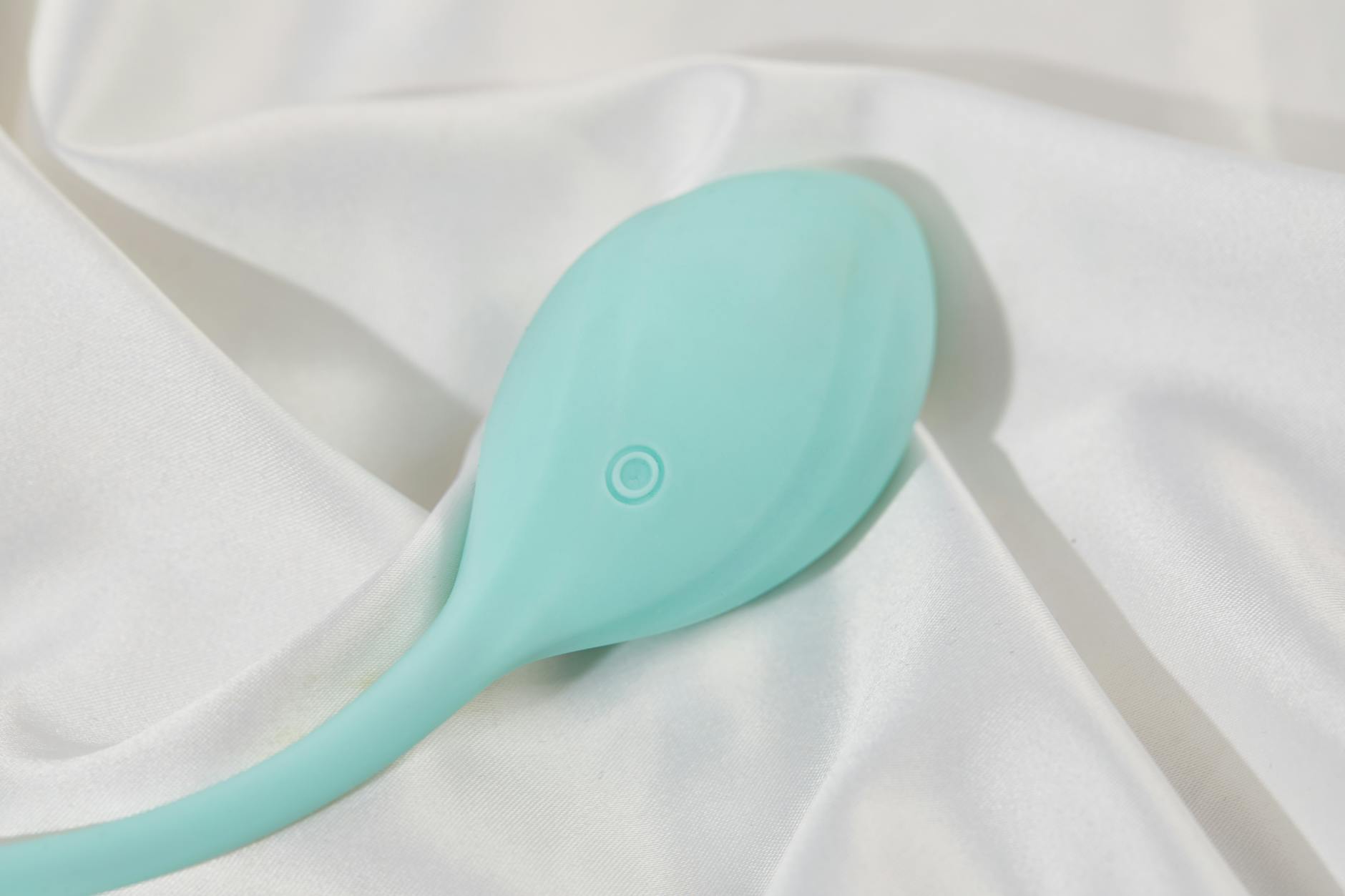
Low libido is rarely about equipment. But the right tool helps.
Let's be real. You're here because desire has gone somewhere. Maybe it left slowly, maybe it vanished overnight. Either way, you're tired of feeling like something's wrong with you. Here's the thing: low libido isn't a moral failing or a sign your body is broken. It's usually a signal that something's out of balance. And while a lemon vibrator won't fix the root cause, it can absolutely be part of the solution once you understand what you're actually looking for.
I've worked with hundreds of people through libido slumps. The ones who found their way back weren't the ones who bought the most expensive lemon clitoral vibrator. They were the ones who got curious about what desire actually needed from them.
Why low libido happens (and it's usually not what you think)
Before you pick a lemon vibrator, you need to understand where the low libido came from. The causes matter because they change what you're shopping for.
Physical causes include hormonal shifts (thyroid, cortisol, menopause), medication side effects (SSRIs especially), blood sugar dysregulation, sleep deprivation, and chronic pain. If you're running on empty, your nervous system isn't interested in pleasure. That's not broken. That's normal.
Relationship patterns create libido loss too. Unresolved conflict, emotional distance, feeling unseen by your partner, or a history of pressure around sex all suppress desire at the nervous system level. Your body doesn't want sex with someone (or in a dynamic) that doesn't feel safe.
Psychological factors are huge: stress, anxiety, depression, perfectionism, shame around pleasure, or a history of trauma can all flatten desire. So can grief, major life transitions, or burnout.
Hormones, health, relationships, psychology. Usually it's a mix. A lemon vibrator won't fix your thyroid. It won't heal a broken relationship. But once you've addressed the actual cause, it can help you rebuild the neural pathways for pleasure.
The mistake most people make when shopping
You're drowning in options. Lemon sexual toys, lemon adult toys, fancy ones, cheap ones, ones with ten settings. The instinct is to buy the most powerful thing available, assuming intensity equals effectiveness.
Wrong move.
When libido is low, your body is literally less responsive. Nerve sensitivity is down, arousal comes slower, and the last thing you need is aggressive stimulation that feels jarring instead of inviting. You want something that whispers before it shouts.
That's where lemon vibrators actually excel. The lemon clitoral vibrator design uses gentle suction and pulsing rather than intense buzz. It's architecture is wired for gradual build, not immediate fireworks. For low libido, that's closer to what you need.
What to look for in a lemon vibrator when desire is dormant
If you're considering your first lemon vibrator or you're coming back to pleasure after a long pause, focus on these qualities.
Gentle entry-level intensity. You want a device that starts subtle. Many lemon clitoral vibrators have a first pattern that's genuinely soft. Test this. Your pleasure doesn't have permission to feel tentative right now. You need something that meets you where you are, not where you think you should be.
Customizable patterns. The best lemon vibrators have multiple options because your body will respond differently on different days. One day slow pulses work. Another day, rhythmic waves. You're not broken if you need variety. You're learning what works for your nervous system right now.
Quiet operation. Low libido often carries anxiety or shame. Hearing a loud buzz can ramp up self-consciousness instead of relaxation. A whisper-quiet lemon vibrator removes that mental friction.
Good grip and ergonomics. If you're tired or have low desire, you don't want to work hard just holding the thing. It should feel natural in your hand, not like a struggle.
Waterproof. Bath play can lower anxiety and increase relaxation. If your lemon sexual toy is waterproof, warm water becomes part of the foreplay.
Honestly, the differences between most quality lemon adult toys are smaller than people think. You're not shopping for a miracle device. You're shopping for permission to show up for yourself.
The role of psychology in picking the right tool
Here's what I notice in my practice: people with low libido often approach pleasure like a productivity task. They research the best clitoral vibrator the way they'd research a blender. Specifications, reviews, comparisons. Then they expect the tool to fix them.
The tool doesn't fix you. Your willingness to experiment, to be patient with yourself, and to separate pleasure from performance fixes you.
When you pick a lemon vibrator, you're not just buying a device. You're making a statement to yourself: my pleasure matters. My body matters. I'm worth this time. That psychological shift is at least half the work.
Many people find that the ritual of using a lemon clitoral vibrator slowly retrains their nervous system to associate their body with good feelings instead of obligation or shame. It's not magic. It's rewiring through gentle repetition.
Practical steps to restart desire
Okay, you've picked your lemon vibrator. Now what?
Start without pressure. Your first session isn't about orgasm. It's about reconnecting with sensation. Set aside 20 minutes, eliminate interruptions, and explore without a goal. Notice temperature, texture, the exact spots that feel good.
Pair it with something pleasurable. Music, a bath, a specific time of day when you're least stressed, a scent you love. You're building a positive association. Your brain should know: this time is for me.
Track what works. Notice which patterns feel good on which days. Are you more responsive after exercise? After time alone? After meaningful conversation with your partner? Low libido often bounces back faster when you understand what actually fuels it for you.
Be patient. Desire doesn't flip back on like a light switch. It rebuilds like muscle memory. Some days you'll feel nothing. That's not failure. That's your nervous system learning it's safe to want again.
If you're in a relationship, separate conversations help. "I'm working on rebuilding my own pleasure" is different from "I want us to have more sex." One is about you. One is about the dynamic. Both matter, but they're different projects.
When a lemon vibrator isn't enough
If low libido persists after you've ruled out obvious physical causes and addressed relationship factors, see someone. A therapist trained in sex therapy or somatic work can help identify blocks you can't see alone. Medication side effects worth discussing with your doctor. Hormonal testing if you suspect thyroid or testosterone issues.
Low libido that sticks around despite effort usually has a root cause that deserves professional attention. A lemon clitoral vibrator is a tool for reconnecting with pleasure once the path is clear. It's not a substitute for real support.
That said, many people find that simply choosing to invest in their own pleasure, with a thoughtfully selected lemon vibrator and genuine curiosity about their own body, is the first domino that falls. Permission precedes pleasure. A good tool is a physical reminder that you're allowed to have both.
People also ask
Can a lemon vibrator help if I'm on antidepressants and my libido has flatlined?
Often, yes, but not alone. SSRIs are notorious for flattening desire and orgasm. First step: talk to your prescriber about timing or dose. Some people respond better to taking meds at different times of day. If the medication is working for your mental health, that's the priority. Then, a lemon vibrator paired with patient exploration of sensation can help rebuild arousal pathways your brain has learned to ignore. You're essentially retraining your nervous system to notice pleasure signals again. It takes time, but it works for many people.
What's the difference between lemon vibrators and other clitoral vibrators for low libido?
Lemon clitoral vibrators use suction and pulsing rather than straight vibration. That matters for low libido because suction stimulates nerves without needing intense pressure or friction. It feels gentler, more gradual. Other vibrators often rely on speed and intensity to work. When your body is already struggling to respond, a softer entry point from a lemon sucker feels less like demand and more like invitation. That psychological difference is real.
Is low libido during a stressful life phase normal?
Completely normal. Your body is intelligent. When cortisol is high and you're in survival mode, your nervous system deprioritizes pleasure and reproduction. Stress, grief, major life change, caregiving burden. All of these suppress desire. Once the acute stress eases, desire often returns on its own. In the meantime, a lemon vibrator can be a low-pressure way to stay connected to your body, but addressing the stress itself is the real work.
Should I tell my partner I'm using a lemon vibrator for low libido?
Depends on the relationship. If you're in a committed partnership, honesty usually helps. You might frame it as, "I'm working on reconnecting with my own pleasure because desire has been low. This helps me rebuild that." That's different from, "I need this instead of you." Some partners find it hot. Some feel insecure initially. Either way, it's worth the conversation. Using a tool solo is not a betrayal. Hiding it usually causes more distance than the tool itself.
How long before I notice my libido returning with a lemon vibrator?
Varies wildly. Some people feel shifts in a few weeks. Others take months. Consistency matters more than duration. If you're using a lemon clitoral vibrator twice a week with genuine curiosity and no performance pressure, you're giving your nervous system the signal that pleasure is safe and possible. That rewiring doesn't happen on a schedule. But most people notice something shifts within 6-8 weeks: either stronger sensation, easier arousal, or just feeling less disconnected from their body.
Can I use a lemon vibrator if I have pelvic pain or vaginismus?
Maybe, but carefully. If you have active pelvic pain or vaginismus, you likely need professional pelvic floor physical therapy first. Using a vibrator before your nervous system knows how to relax the pelvic floor can actually reinforce tension. That said, once you've begun physical therapy and your practitioner gives the okay, a gentle lemon vibrator can be part of nervous system retraining. Read our guide on how lemon vibrators improve pleasure for women with vaginismus for more detail.
The real work starts with you
Low libido is a message. Usually it's saying: something's out of balance. Maybe it's stress. Maybe it's your relationship. Maybe it's your health. Maybe it's permission.
A lemon vibrator won't diagnose the message. But once you've listened to it and started addressing the root cause, the right tool can help you rebuild the pleasure pathways your body has learned to ignore. That's not shallow. That's smart. That's self-care that actually moves the needle.
Pick thoughtfully. Use patiently. And if desire doesn't bounce back after a genuine effort, get support. You deserve a full, embodied life. Sometimes that takes a team.