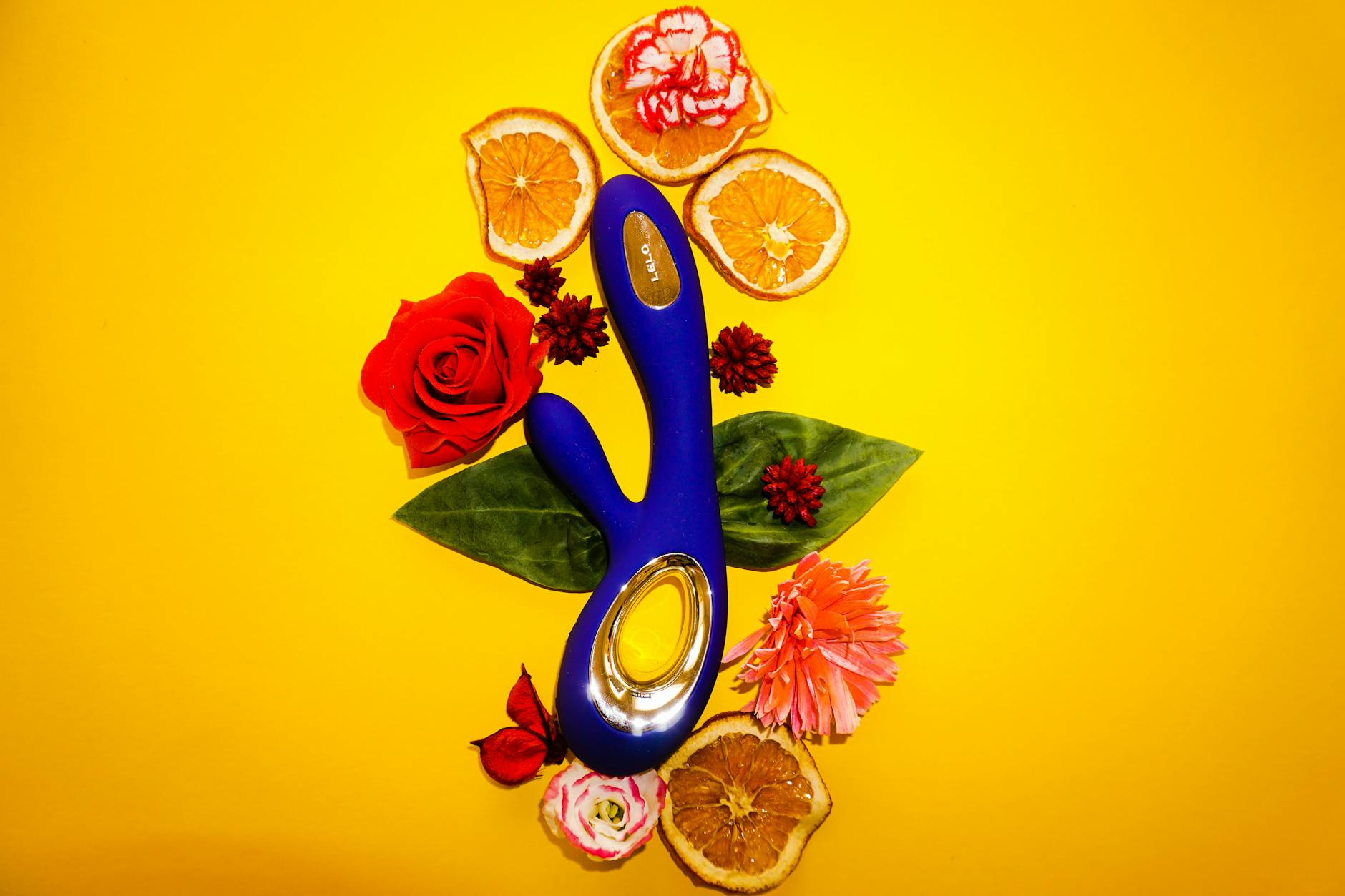
Let's name the real fear
"If we get a vibrator, won't I become unnecessary?" That's the anxiety underneath most partner resistance to lemon vibrators and other sex toys. It's not really about the device itself. It's about replacement. About inadequacy. About the worry that pleasure equipment means your body, your touch, your presence won't be enough.
That fear is real. And it's also fixable. But only if you approach the conversation strategically instead of defensively.
Why the resistance is so common
Most people grew up in a culture that taught them their body should be sufficient for everything. Asking for a tool can feel like saying "You're not enough." A lemon clitoral vibrator or any other sex toy gets tangled up with their identity, their competence, their lovability. Add that to the fact that many men have been warned their entire lives that vibrators are a threat, and suddenly bringing up a lemon sucker feels risky.
Here's what's actually happening: your partner has linked pleasure equipment to rejection. They think "toy" means "me, less." Your job is to reframe it to mean "us, more."
The reframe that changes everything
Stop thinking about the lemon vibrator as a solution to a problem he's failing to solve. Start thinking about it as a tool that lets you show him something. A collaboration. A shared discovery.
The language you use matters enormously. "I want to get a vibrator because you don't get me there" lands like criticism. "I've been curious about what it might feel like if we explored this together" lands like invitation.
One is about his failure. The other is about possibility.
The conversation blueprint
Step 1: Create safety first. Pick a time when you're both calm, clothed, and not in bed. Bringing this up mid-intimacy or during an argument guarantees defensiveness. Over coffee or a walk works better than under the sheets.
Step 2: Lead with curiosity, not complaint. "Hey, I've been reading about lemon vibrators and I'm curious about something. Would you be open to trying something new together?" This is a question about collaboration, not a critique.
Step 3: Explain what you've actually discovered. Many people don't know that clitoral vibrators like lemon clitoral vibrators work through stimulation patterns your hand literally can't replicate. It's not that fingers are bad. It's that vibration does something different. Same reason a vibrating massage gun helps muscles that stretching alone won't. Different tool, different outcome.
Step 4: Explicitly name what doesn't change. "I still want you. I still want your hands on me. This isn't about wanting less of you. It's about wanting to experience something we haven't tried yet, together." Say this clearly and mean it.
Step 5: Invite him in. "I'd love if you were the one to introduce it. If you controlled it. If we figured out what I like together." This puts him back in the driver's seat, which matters psychologically.
What to do if he says no immediately
Don't push. Instead, ask what he's actually worried about. Is it that he thinks you'll prefer it? That he'll feel replaced? That it's somehow unfaithful? Different fears need different reassurances.
If the concern is "you'll like this more than me," remind him that pleasure isn't a fixed pie. Adding sensation doesn't subtract from connection. You can feel incredible physically and still crave his presence, his voice, his touch. These aren't competing currencies.
If the fear is deeper, like "this means our sex life is broken," you might need to have a bigger conversation about whether he feels satisfied in the relationship. Sometimes toy resistance is actually relationship resistance wearing a different mask.
How to actually introduce it if he agrees

Photo by cottonbro studio on Pexels
Don't just hand him a lemon vibrator and say "go." There's a ritual here that matters.
Start by letting him explore it without pressure. Show him how it works. Let him hold it. Feel the vibration on his own fingers. Demystify it. It's just a device, not a threat.
Then, when you're being intimate, introduce it slowly. Maybe he uses it on you while he's inside you. Maybe he uses it while you're touching him. The point is that his hands stay involved. He's not being replaced. He's being enhanced.
Start on a lower setting. The sensation can feel intense if you're not expecting it. Take your time. And please, check in with him throughout. "How are you feeling about this?" Matters as much as "how does this feel?"
If he's genuinely anxious, go slower. If he's excited, you can build from there. But the first time is about building confidence and comfort for both of you, not about achieving the most intense orgasm.
The long game
After that first time, many partners realize that introducing a lemon clitoral vibrator actually deepened their intimacy rather than threatening it. They watched their partner experience pleasure they'd never felt before. They got to be part of that discovery. They saw how much they're still wanted, still needed, still central.
That's the reframe that sticks: toys don't replace partners. They expand what partners can do together.
When he stays resistant
If after a genuine conversation he's still a hard no, you have to decide what that means for you. Some people genuinely aren't going to move on this. And you have to decide if accepting that is acceptable to you, or if it's a sign of a bigger incompatibility.
But most of the time, when you separate the fear from the object and approach it as collaboration rather than criticism, partners come around. They realize a lemon sucker or a lemon vibrator isn't a threat to their role. It's just a new thing you're exploring together, which is actually pretty intimate if you think about it.
If you want help thinking through how to have conversations about desire and pleasure more broadly, our guide on using lemon vibrators with a partner who prefers hands-on stimulation walks through that dynamic. And if you're navigating bigger intimacy gaps, rebuilding after relationship conflict covers that terrain too.
People also ask
Will a lemon vibrator make me less interested in my partner?
No. Pleasure and desire for your partner are separate systems. A clitoral vibrator can help you experience sensation you've never felt, which might actually increase your interest in exploring together. The stimulation from a lemon sucker works through vibration patterns your hands can't replicate. That's a different experience, not a better one. You can feel incredible physically and still want your partner's presence, voice, and touch. Connection isn't finite.
What if my partner gets jealous of the vibrator?
Jealousy usually signals something deeper: a worry about being needed or wanted. Address that directly. Say something like, "I love what we have. This isn't about needing less of you. It's about wanting to explore something new with you. I want you involved, not threatened." If jealousy persists, it might be worth talking to a couples therapist. Sometimes resistance to toys points to bigger intimacy gaps that need attention.
How do I know if my partner will ever accept a lemon clitoral vibrator?
The best way to find out is to have the conversation suggested above: a calm, non-pressured, non-bed talk about curiosity and collaboration. Pay attention to whether he asks questions or shuts down completely. Questions mean he's engaged, even if uncertain. Complete shutdown might mean this needs professional support, or it might mean you need to revisit the conversation later when the environment feels safer.
Can we use a lemon vibrator together right away, or should we start with him alone?
Start with him exploring it without sexual pressure. Let him feel the vibration on his own fingers. Let him see it's not scary. Then, when you're intimate, he can introduce it slowly. Having his hands involved in the process matters psychologically. It keeps him central, which is what he needs to feel to move past the threat narrative.
What if he agrees but then feels inadequate during sex?
Pause. Check in. Reassure him that you still want his touch, his presence. Maybe the lemon vibrator comes out only sometimes, not always. Maybe it's something you use together, not instead of. Build confidence gradually. And if those feelings persist, that's a conversation for a therapist who specializes in couples sexuality.
Is there a difference between a lemon vibrator and other clitoral vibrators when introducing toys to a partner?
Not really. The core fear isn't about the specific device. It's about what toys represent. A lemon clitoral vibrator, a lemon sucker, or any other sex toy carries the same psychological weight if he's anxious about replacement. What matters is the conversation, the framing, and how involved he is in the process. The device itself is secondary.