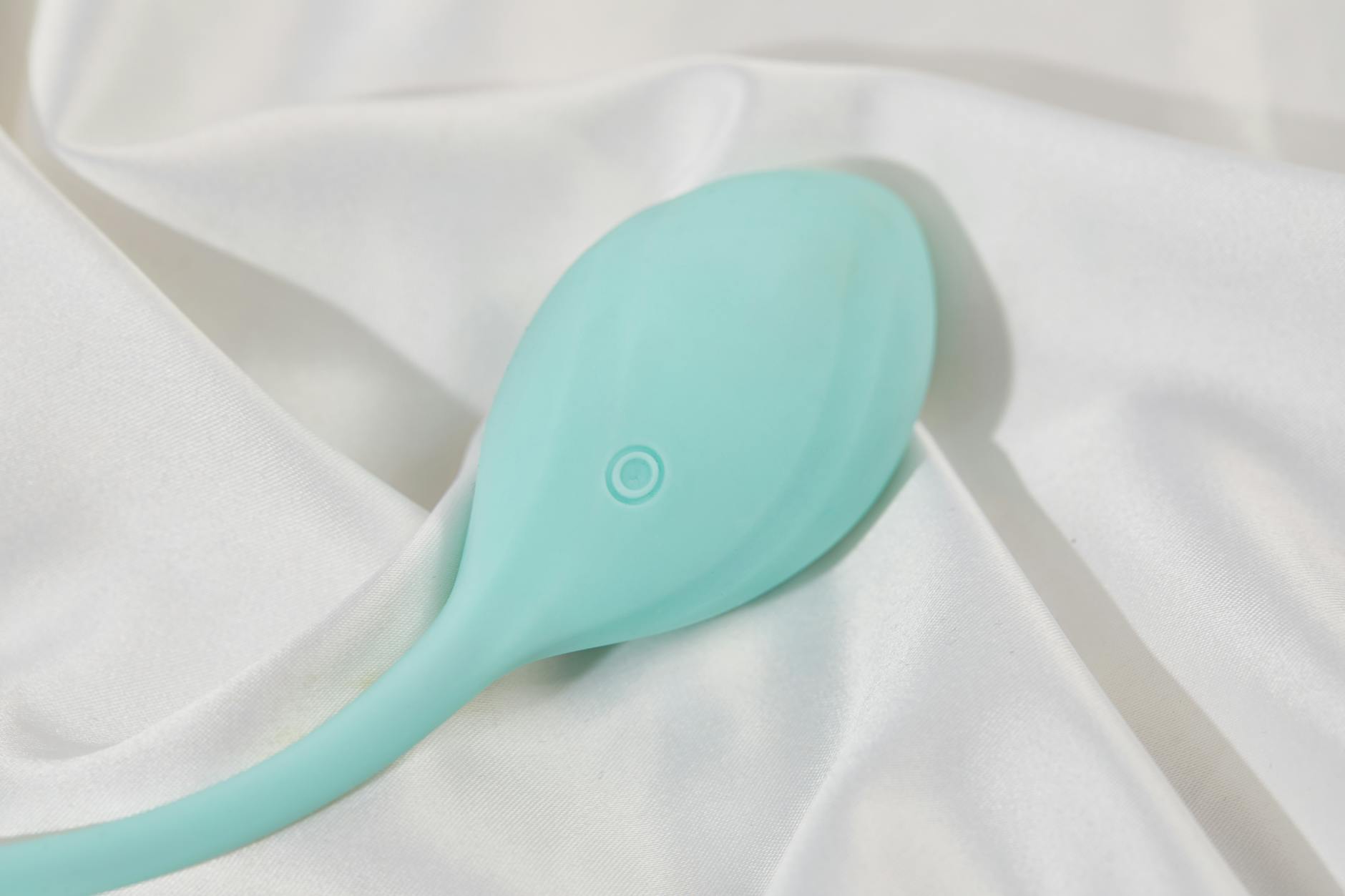
Here's the truth nobody tells you
Lubrication isn't a sign something's wrong. It's a moving target. Hormones shift, medications change it, stress tanks it, age alters it. None of that means your pleasure is broken. It just means you're working with different material conditions, and lemon vibrators actually handle that better than most tools if you know how.
Let me show you exactly how.
Why lemon vibrators work when lubrication is minimal
Most traditional vibrators rely on friction. They rattle or buzz hard against tissue, which works fine when there's natural lubrication acting as a buffer. Without it, that friction becomes irritating fast. The Lem and similar lemon clitoral vibrators use pulsing suction instead. Suction doesn't need the same slick surface to work. It's a pulling sensation that stimulates the clitoral tissue without the mechanical grinding that leaves you raw.
That's the mechanical advantage. But there's another one nobody mentions. Lemon vibrators feel less intense on drier tissue because the sensation is diffused rather than concentrated. If your clitoris is more sensitive when lubrication is low (which it often is), suction-based tools let you dial down the intensity without losing the pattern.
The lubrication strategy that actually works
Start with water-based lube. Always. Silicone-based lubes are thicker and feel richer, but they break down toy material over time and they're harder to rinse off. Water-based ones reabsorb into skin eventually, which means you'll need to reapply mid-session. That's not a failure. That's the plan.
Apply lube in two stages. First, a thin layer directly on your clitoris before you start. This protects the tissue and gives the toy something to glide against. Then, once you're using the lemon vibrator, add a second layer halfway through if things feel dry. You're not trying to create a slick pool. You're maintaining a protective barrier.
For people with severe dryness, consider doubling up. Use a water-based lube for the immediate sensation, then layer a water-based intimate moisturizer underneath it. The moisturizer (something like Hyalo Gyn or YES Intimate Moisturizer) hydrates the tissue itself, while the lube handles immediate glide. This combination works because they're solving two different problems at once.
Positioning and angle matter way more than you think
When lubrication is limited, how you angle the toy changes everything. Place the lemon vibrator dead-center on your clitoris rather than at an angle. Angled placement requires more glide, which means more friction. Dead-center placement lets the suction do the work without the toy sliding around.
Start on the lower intensity settings. Pattern 1 or 2 on most lemon vibrators. This gives your tissue time to warm up and produce whatever natural lubrication your body can manage. Many people skip this step, jumping straight to pattern 4, then getting frustrated when things feel rough. Patience actually changes the texture.
Let the vibrator sit gently at first rather than pressing hard. You're not trying to drill down into tissue. You're creating a seal for the suction to work. Hard pressure + low lubrication = uncomfortable. Gentle contact + proper angle + suction = sensation that builds beautifully.
The warm-up that changes everything
When lubrication is your limiting factor, the warm-up phase isn't optional. Budget 10-15 minutes before you even turn on the toy. This isn't foreplay in the traditional sense. It's allowing your nervous system to activate.
Start with touch that has nothing to do with arousal. Hands on your breasts, your shoulders, your inner thighs. Deep breathing. Maybe a little movement. The goal is to shift your body from thinking about dryness to engaging with sensation. As your nervous system activates, blood flow increases, and your body has a better chance of producing what lubrication it can.
Then introduce the toy. Still at low intensity. Let the suction sensation build gradually. You're not chasing an orgasm in the first two minutes. You're training your body that this situation is safe and worth responding to.
What to do if discomfort shows up anyway
Discomfort is your body's way of saying the conditions aren't right. Don't push through it. Stop, reapply lube, and try again. If the discomfort comes back, it's time to make a bigger shift.
If your tissues are genuinely too dry to be comfortable even with external lube and technique adjustment, talk to a doctor. Genitourinary syndrome of menopause (GSM) or other hormonal conditions are treatable. Topical estrogen creams work quickly. Testosterone therapy is another option depending on what's causing the dryness. None of this is a personal failing. It's just biology that responds to treatment.
If dryness is medication-related (antidepressants, antihistamines, and some blood pressure meds commonly cause it), ask your prescriber if there's an alternative. Sometimes switching drugs solves the problem entirely. Sometimes a lube strategy plus the original medication is fine. But it's worth asking.
The lube brands that work best with lemon vibrators
Good Water (available at most pharmacies) is my go-to recommendation. It's thick enough to feel substantial but thin enough to rinse away completely. It doesn't get sticky as it dries, which matters because you might want to reapply.
Yes Water Based (the British brand) is excellent if you have sensitive skin. It's hypoallergenic and works quietly with most toys. Sliquid Splash is another solid choice. It's a bit thinner, so it feels less protective but it reabsorbs faster.
Avoid anything with glycerin if you're prone to yeast infections. Avoid anything with nonoxynol-9 (it's an old spermicide that irritates tissue). Just check the ingredient list before you buy.
For moisture rather than immediate glide, Hyalo Gyn and YES Intimate Moisturizer are the ones I recommend to clients most often. They're designed to hydrate vaginal tissue, not to provide slickness during sex. But layering them under regular lube often makes the whole experience feel richer.
Building comfort over time
One session with lube and the right technique won't fix chronic dryness. But consistent use often does something surprising. Your body starts to remember that this situation is safe. Blood flow improves. Natural lubrication often begins to return as your nervous system relaxes into the pattern.
Some of my clients report that regular use of lemon vibrators actually improved their baseline lubrication within weeks. That's not magic. It's your body responding to consistent positive stimulus. Tissues that are regularly activated tend to function better.
The other shift that often happens is mental. When you remove the friction and discomfort from the equation, pleasure becomes possible again. And once pleasure is possible, desire often follows.
FAQ
Can I use silicone lube with lemon vibrators?
You can, but I wouldn't. Silicone lube breaks down silicone toy material over time. Most high-quality lemon vibrators are silicone, so water-based is genuinely the better choice. It's not a restriction. It's the smart pairing.
How often should I reapply lube during use?
As often as you need to. Some people need it once at the start. Others reapply every five minutes. There's no standard. Your body will tell you when things are drying out. Listen to that.
Does using lube mean my body is broken?
No. Lubrication changes throughout your life based on hormones, medications, stress, hydration, arousal level, and dozens of other factors. Adding external lube is just problem-solving. Athletes use water to hydrate. People use lube to create the conditions where pleasure works. Same concept.
Will using lemon vibrators regularly improve my natural lubrication?
Often, yes. Regular activation of tissue and nervous system stimulation can improve baseline lubrication over time. This isn't guaranteed, but it's common. The key is consistency and removing friction so your body isn't defending against discomfort.
What if lube irritates my skin?
You might be allergic to water-based lubes or one of their ingredients. Try a hypoallergenic brand like Yes Water Based. If irritation persists, try oil-based lubricants (though avoid these with condoms). If irritation happens with every type of lube, talk to a doctor. Sometimes it's a sign of a skin condition that needs treatment.
Can I use coconut oil with lemon vibrators?
Not recommended. Coconut oil can degrade silicone toy material and it's harder to rinse away. It also creates a breeding ground for bacteria. Stick to actual lubricants designed for intimate use.
The real setup that works
If lubrication is your main friction point (literally), you don't need a different toy. You need a different approach. The right lube, the right angle, the right pacing, and patience with your body as it adjusts to the new conditions. Lemon vibrators are built for exactly this scenario. Suction-based stimulation doesn't rely on friction the way traditional vibrators do. That design choice exists for people like you.
Start with water-based lube, give yourself a real warm-up, angle the toy carefully, and use lower intensity settings. Your body will respond. And if it doesn't, that's when you talk to a professional who can rule out hormonal or medical factors. But most people find that technique plus the right tool makes a real difference. You're probably going to be one of them.
Have questions about technique or lubrication strategy? Reach out to contact us and we'll connect you with resources tailored to your situation.