Perineal tearing isn't the same as an episiotomy, and your pleasure recovery won't be either
Let's be clear about something most doctors don't mention during postpartum visits: the way a perineal tear heals is fundamentally different from a planned episiotomy cut. That distinction matters because it changes almost everything about how and when you can bring pleasure back into your body.
A spontaneous tear is irregular, sometimes deeper, often involves muscle fiber that gets disrupted in unpredictable patterns. An episiotomy is a strategic surgical cut designed to heal in a specific way. If you've had a tear, your healing timeline and scar tissue behavior will be different from someone who had a surgical cut. That's why generic postpartum sex advice often feels wrong or even painful when you're actually navigating a tear.
Understanding perineal tear grades and what each means for pleasure
First, the anatomy. Perineal tears are classified by depth. A first-degree tear involves just the skin. Second-degree goes into the perineal muscle. Third-degree involves the external anal sphincter. Fourth-degree goes all the way through to the rectal mucosa. Most spontaneous tears during birth are first or second-degree, but severity varies wildly.
Here's what matters for pleasure recovery: deeper tears need longer healing, but they also create different scar tissue patterns. A second-degree tear might leave you with tightness in one direction but not another. A first-degree might feel tender to direct touch for months even though the tissue is technically healed.
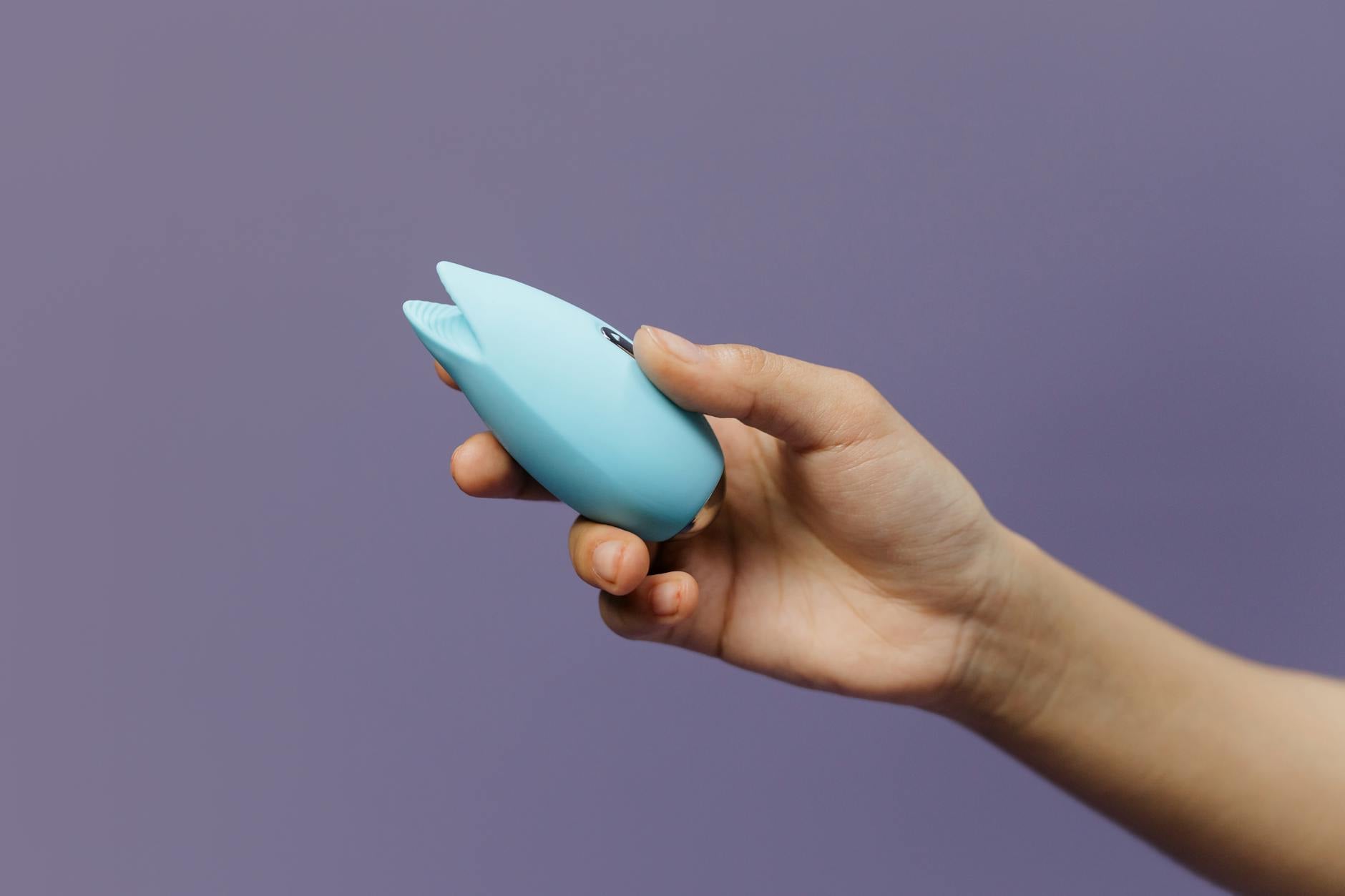
The good news is that lemon clitoral vibrators work differently than traditional vibrators, and that difference becomes really useful here. A lemon vibrator uses suction and gentle pulsation rather than direct friction. That means you can access pleasure without the same pressure-based stimulation that often triggers pain or re-injury during recovery.
The timeline question: when can you actually try pleasure again
Most sources say "six weeks clearance from your doctor." But here's the thing: clearance to have penetrative sex doesn't mean clearance to have pleasure feel good. Those are different endpoints.
I usually recommend this timeline with patients recovering from perineal tears.
Weeks 1-6: Focus on healing, scar care, and gentle pelvic floor awareness. No vibration. The tissue is still actively healing at a cellular level.
Weeks 6-12: Get cleared by your care provider for sexual activity. But pleasure? Start with external touch. Begin exploring sensation without any device. This is about retraining your nervous system to experience the area without fear.
Weeks 12-16: This is when many people can try gentle external vibration. The scar tissue is still maturing, but it's stable enough for very light stimulation. This is when a lemon vibrator's gentleness becomes an asset.
Week 16 onward: Most people report that sensation normalizes and pleasure feels safe to explore more fully. But remember: your timeline is yours. Some people need longer.
Those aren't hard rules. They're patterns I've seen work. Your healing might be faster or slower depending on the tear's severity, your tissue type, infection history, and how your nervous system is responding to the injury.
Why lemon vibrators are particularly useful during scar tissue recovery
Here's the mechanical difference that matters. A traditional vibrator creates friction. It buzzes against tissue at high frequency. For someone with healing perineal tissue, that friction can trigger pain responses, inflammation, or even micro-tears of the new scar tissue. Your body perceives it as threat, not pleasure.
A lemon vibrator works through suction and gentle pulsation. There's no friction. The suction gently lifts and releases tissue, creating stimulation without the same pressure. For someone with perineal scar tissue, that's the difference between pain and comfort. The sensation reaches the nerves without forcing the tissue itself to absorb impact.
I recommend starting at the lowest suction setting. Level 1 or 2. You're not looking for intense sensation. You're looking for your nervous system to remember what pleasure feels like in that area without triggering protection responses.
The sensation mapping phase: starting gentle
Before you use any device, spend time with touch. Use your clean fingers, preferably after a warm shower when the tissue is relaxed. Explore where sensation is clear, where it's numb, where it's tender, where it feels neutral. That map guides everything that follows.
Once you've got that map, introduce a lemon vibrator. Start on the lowest setting. Focus first on the clitoris itself, not the tear site. Let your body remember what pleasure feels like in areas that didn't experience direct trauma.
Wait maybe three or four sessions before exploring sensation near or around the scar tissue. Then, when you do, use the suction very gently. The beauty of suction-based stimulation is that you're not forcing anything. You're inviting. If sensation doesn't feel right, you stop.
Many people find that the area around a perineal scar becomes sensitive before the scar itself does. That's normal. Your nervous system is protecting the healing tissue. Be patient with that protection.
Common roadblocks and what they actually mean
Let's talk about what goes wrong and what it usually signals.
Shooting pain during or after vibration usually means the tissue isn't healed enough, or your nervous system is in protection mode. Stop. Wait longer. Try again in two weeks.
Burning sensation often means inflammation. This can happen if you've overworked healing tissue, or if you had an infection that's flaring up. Again, stop. Ice might help. Contact your care provider if it persists.
Numbness or unusual sensation is common for months after perineal tears. Your nerves are regenerating. Some people report that pleasure comes back unevenly, with patches of full sensation returning while other areas stay numb. This almost always normalizes over time. Vibration doesn't make it worse, but it won't speed it up either.
Tightness that makes penetration painful but external vibration feels okay is a sign your pelvic floor is guarding. This is protective, not harmful. Breathwork, gentle stretching, and time usually help more than forcing sensation.
Working with scar tissue massage and vibration together
If your healthcare provider has recommended perineal scar massage, vibration and manual work can complement each other nicely.
Do your scar massage first. Warm tissue is more pliable and heals better. Then, once you've released some tension through massage, gentle vibration can help your nervous system recalibrate around the area. The vibration isn't doing the therapeutic work. The massage is. But the vibration helps your brain integrate the healing tissue back into your pleasure map.
Wait at least 24 hours between intense scar massage sessions. Your tissue needs rest to adapt and remodel. A light vibration session on low settings the day after massage is usually fine, but listen to your body.
The mental piece: anxiety about re-injury
Here's what people often don't talk about: fear of re-injury can be louder than actual healing. You might be physically ready to explore pleasure long before your nervous system believes it's safe.
This is especially true if your birth or tear experience was traumatic. Your brain has learned that this area equals pain. Retraining that association takes time.
Start with pleasure in safe contexts. Maybe after a warm bath. Maybe when your partner is present and you feel completely secure. Maybe when you're alone and can set your own pace without pressure. There's no right way.
Use a lemon vibrator as a tool to help your nervous system slowly reintegrate the area into your pleasure map. Not as a deadline. Not as proof that you're "healed enough." Just as permission to explore sensation at your own pace.
When to escalate and when to hold steady
You might use your lemon vibrator at the lowest setting for weeks. That's perfect. That's exactly what healing looks like.
When you're ready to try a slightly higher setting, go one level up and spend several sessions there. Notice what changes. Notice how your body responds. Notice if pleasure becomes easier or if anxiety increases.
There's no race to reach higher intensities. Some people find their favorite sensation is at level 2 or 3 and stay there for months. That's completely normal and legitimate.
If you reach a setting that triggers pain or anxiety, go back down. You've found your edge. Live there for a few weeks. Your nervous system and tissue will continue adapting, and the edge will naturally move forward.
The conversation with your partner during recovery
If you're partnered, this is important. Tell them specifically what you're trying to explore. Not "I'm using a vibrator during recovery" but "I'm using this to help my nervous system remember this area feels safe and pleasurable, not just painful."
Explain that progress isn't linear. Some weeks you'll feel ready for more sensation. Other weeks you'll need to go back to basics. That's not regression. That's healing.
If your partner wants to be involved, that's wonderful. But they should understand that the goal isn't performance or intensity. It's gradual nervous system integration. That looks like presence, patience, and following your lead, not initiating escalation.
Frequently Asked Questions
How long after a perineal tear can I use a clitoral vibrator safely?
Most people can begin very gentle external vibration around 12-16 weeks postpartum, assuming they've cleared the pain-free phase and have their healthcare provider's approval. But "can" and "comfortable" are different things. If you're not feeling safe or pain-free during the attempt, wait longer. There's no medal for returning to pleasure on schedule.
Will using a lemon vibrator delay my scar tissue healing?
No. Gentle external vibration doesn't interfere with scar healing if you're using it at low settings and staying in the pleasure range rather than the pain range. If vibration causes pain, stop. Pain is a signal that tissue isn't ready. But gentle, pleasurable vibration on healed scar tissue actually helps your nervous system integrate the area back into your body's pleasure map. That's a recovery win.
What if I have numbness around my perineal scar months after birth?
Nerve regeneration takes time. Some perineal nerves take 6-12 months to fully reinnervate. Numbness doesn't mean you did something wrong. It means your nerves are still growing back. Gentle stimulation, including vibration on the lowest settings, can support that regeneration by giving your nervous system signals about the area. But you can't rush it. The numbness will usually improve on its own timeline.
Can I use my lemon vibrator during penetrative sex after a perineal tear?
Yes, but usually not right away. Give yourself time to feel safe with penetration first. Once penetrative sensation feels good and pain-free, external vibration during or after penetration can enhance pleasure. But many people find that external-only vibration feels better for longer after a tear. Your preference matters more than a timeline.
Is it normal to feel pain or anxiety when trying to use a vibrator near my scar?
Completely normal. Your nervous system learned that this area equals pain during the tear and recovery. Fear responses take time to rewire. If pain or anxiety shows up, pause. Try again in a week or two. Consider talking with a pelvic floor physical therapist if the anxiety is severe. They can help you work through it in a structured way. You're not broken. You're healing.
What if my partner is nervous about exploring pleasure after my perineal tear?
Talk about it specifically. Let them know that gentle exploration is part of recovery, not a return to normal intensity or pressure. Explain that you might need to start slowly and build from there. Ask them to follow your lead and check in often. Many partners feel relieved when they understand they're not responsible for "getting things back to normal." You're building something new together, on your timeline.
Your pleasure recovery matters just as much as your healing
Perineal tears are real injuries. They deserve real healing time. But healing includes pleasure, not just the absence of pain. A lemon vibrator is a tool that lets you explore sensation safely, without the friction that often triggers pain during early recovery.
Start low. Go slow. Let your nervous system guide you. And remember: there's no deadline. Your body knows how to heal. Your job is just to listen to it and be patient while it does.
If you want support thinking through your specific recovery or how to communicate with your partner during this phase, reach out to Hello Nancy. We're here to help you navigate pleasure on your terms.