Let's name what's actually happening
Grief doesn't just affect your mood. It colonizes your body. When you're grieving a major loss, your nervous system camps out in a state of deactivation. Your brain is working overtime processing the impossible, which leaves almost nothing for pleasure, arousal, or desire.
That numbness isn't a sign something's wrong with you. It's your body's rational response to loss.
But here's the thing nobody tells you: that numbness can linger long after the acute grief has started to soften. And when it does, the silence around desire becomes its own kind of pain. You might feel guilt for wanting pleasure at all. You might feel like your body has abandoned you. You might feel completely severed from a part of yourself that used to exist.
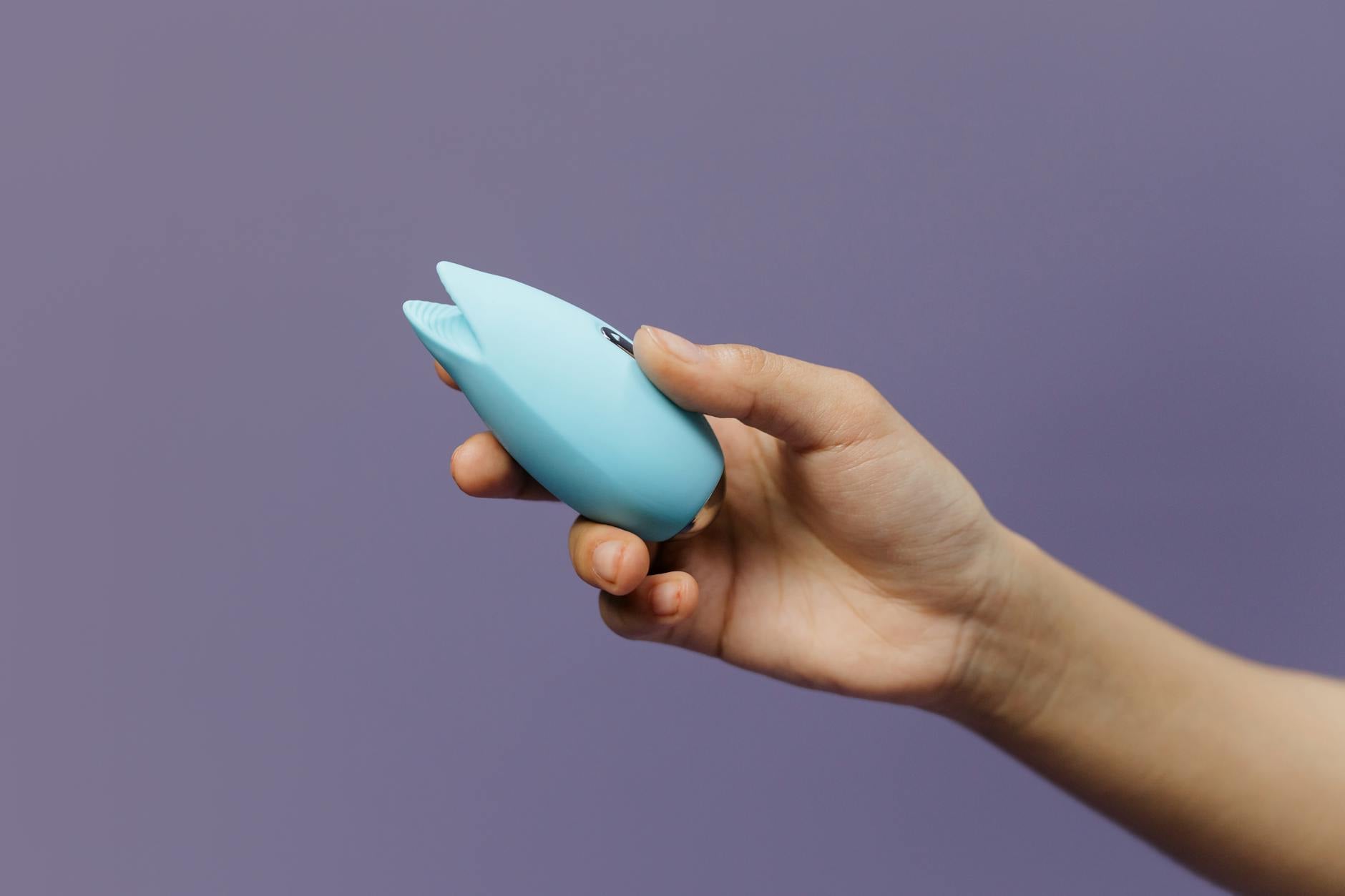
This is where many people get stuck. Let me show you why lemon clitoral vibrators, and specifically tools like the ones at Nancy's Lems Shop, can actually help.
Why standard vibration doesn't work when you're grieving
Most vibrators ask you to generate arousal from the inside out. They work best when desire is already present, waiting to be released. But when grief has flattened your baseline, conventional stimulation often feels like nothing. You're already numb. More stimulation doesn't penetrate that numbness. It just sits on top of it.
Lemon vibrators operate differently. They use suction, not vibration. Suction works through the nervous system via a different pathway than vibration does. It creates a sensation that's harder to ignore, more directional, more impossible to tune out.
For someone whose body has essentially gone offline due to grief, that difference is significant. You're not asking your nervous system to wake up. You're giving it a stimulus so direct and focused that it has to respond.
The neuroscience of pleasure after loss
When you're grieving, your parasympathetic nervous system (the "rest and digest" branch) goes dormant. Your sympathetic nervous system (fight-or-flight) and your dorsal vagal system (shutdown and dissociation) take over. Arousal lives in the parasympathetic zone. Grief evicts you from it.
The pathway back is not a straight line. You don't go from shutdown to desire in one motion. There are intermediate states.
Pleasure, small pleasure, gentle pleasure, is one of the few activities that can coax your parasympathetic nervous system back online. But only if the stimulus is strong enough to cut through the dissociation. A light touch doesn't do it. A vague sense of stimulation doesn't do it. Something that demands your attention does.
That's why lemon clitoral vibrators work. The suction sensation is insistent. Your body has to acknowledge it. And acknowledgment is the first step back.
How to approach this without pressure
Here's what I tell clients in this position: forget about arousal as the goal. Forget about orgasm. That's not the assignment.
The assignment is to reconnect with the fact that sensation is still possible for you. That your body hasn't disappeared, even though it might feel like it has. That pleasure, in whatever form, is still available to you.
Start very small. Many people begin with five minutes alone, no expectation, just trying to notice what a lemon vibrator feels like at the lowest intensity setting. This isn't supposed to be sexual. It's supposed to be informational. You're asking your nervous system, "Is anything happening here?"
For the first week or two, that's enough. You're not building toward anything. You're just registering sensation. If nothing happens, that's fine. If you feel a flutter, a tightness, a small shift in your breathing, you've succeeded.
What to expect in the early stages
Your body might feel weird. Your mind might feel absent. You might get five minutes in and suddenly start crying, not because the vibrator works but because you've accidentally touched something grief has been protecting. That's normal. Take a break. Come back later.
You might feel nothing at all for several sessions, and then suddenly, on session number eight or twelve, something will crack open. Pleasure doesn't return on a schedule.
You might also notice that your body responds better at certain times of day. Some people find grief is slightly looser in the morning, before the full weight of the day settles in. Others find evening works better, when they've already acknowledged the sadness and the nervous system has less to defend against.
Pay attention to these patterns. Your body is not broken. It's communicating.
The role of lemon sexual toys in this process
Lemon clitoral vibrators, or suction toys generally, create a sensation that's different enough from everyday experience that it interrupts the grief loop, even briefly. That interruption is valuable. It's permission for your nervous system to notice something other than loss.
Over time, repeated exposure to that sensation helps your body remember that capacity. You're not trying to feel aroused. You're training your nervous system that aliveness is still possible.
When you use a lemon vibrator during grief, you're not forcing pleasure. You're practicing the machinery of it. You're saying to your body: I know you're hurt. I'm not asking you to heal right now. I'm just asking you to remember that feeling is something you know how to do.
When a partner is involved
If you have a partner, this gets more complicated. Many people feel pressure to want sex during grief, and they feel guilty when they don't. Other people feel invisible to their partner because sex has stopped.
Here's what helps: separate the two conversations. "I'm grieving and my body is shutdown" is different from "I want us to stay connected." The first is about you and your nervous system. The second is about the relationship.
Using lemon adult toys alone, or with a partner as a witness (not a participant), can be part of reclaiming your own pleasure without the pressure to perform for anyone else. Sometimes you need to remember yourself in solitude first.
If your partner is involved, they can help by understanding that this is not foreplay toward sex. This is gentle, intentional nervous system regulation. The goal is sensation, not performance.
Practical settings and timing
When you're ready to use a lemon vibrator as part of your grief process, you don't need the whole romantic setup. You need:
A space where you won't be interrupted. Even fifteen minutes. A time of day when you're not already emotionally exhausted, if possible. Water or a few drops of water-based lubricant, because suction works better with a thin layer of moisture. A realistic expectation that nothing might happen, and that's okay.
Start at intensity setting one or two. There's no award for going harder. The point is to introduce sensation gently enough that your grieving nervous system can let it in instead of shutting it out.
Set a timer for ten minutes. When it goes off, you're done. This prevents the experience from becoming another obligation, another thing your body "should" do.
Moving from numbness back to desire
Eventually, if you keep showing up, desire sometimes returns. Not always in the same form. Not always as fast as you'd like. But it can return.
The return usually looks like curiosity before it looks like want. You start noticing your body again. Small things. The way water feels in the shower. The way you smell. The way a certain piece of clothing feels on your skin.
Pleasure expands from there. And when it does, lemon clitoral vibrators are still useful because they work with your body instead of against it.
Grief doesn't end. But your body's relationship to pleasure can shift from frozen to exploratory, even while grief is still present.
Frequently asked questions
Can you use a lemon vibrator if you're still in the depths of grief?
Yes, but without pressure. The early stages of acute grief often involve too much emotional pain for pleasure to feel safe. If you're in that phase, gentle touch or sensation without any goal other than noticing is the move. Lemon vibrators can help create sensation that's hard to ignore, which can be grounding rather than arousing.
How long does it usually take for desire to return after a major loss?
There's no standard timeline. Some people feel a shift in three to four weeks of gentle practice. Others take months. Grief itself determines the pace, not the tool. What matters is consistency and patience with yourself.
Is it normal to feel guilty about wanting pleasure while grieving?
Completely normal and almost universal. Guilt often signals that you believe pleasure is somehow disrespectful to the person or thing you've lost. That belief is worth examining gently with a therapist, but it's not true. Your body's capacity for aliveness doesn't diminish the reality of your grief.
Can you use lemon suction toys with a partner during this time?
Yes. Some people find that their partner using the toy on them while they focus on receiving (rather than performing) helps them feel connected and witnessed. Others need solo time first. There's no right answer. Ask yourself what would feel safe.
What if you've tried this and nothing's happening?
Talk to a grief-informed therapist. Sometimes the nervous system is too dysregulated for even gentle pleasure to register. That's not failure. That's information. A professional can help you move the process forward.
Is there a difference between numbness from grief and numbness from other causes?
Yes. Grief-related numbness usually includes sadness alongside it. You feel both empty and heavy. Numbness from other sources (like dissociation, depression, or medication effects) might feel different. If you're unsure what you're experiencing, ask a therapist. They can help you understand what your body is telling you.
The path forward
Grief changes you. It's not something you get over. But your body's capacity for sensation, connection, and pleasure doesn't have to disappear with it. Lemon clitoral vibrators can be part of the slow, patient work of reconnecting with yourself after loss.
Start small. Be patient. Notice what happens without judgment. Your body knows how to feel. Grief has just temporarily turned down the volume. These tools help turn it back up.
If you're stuck, that's real. But you're not broken. You're grieving. And there's a pathway through that, even when pleasure feels impossible right now.
Ready to explore gently? Get started with Nancy's Lems Shop and let's talk about which lemon vibrator might work best for where you are right now.