
Here's what nobody tells you about antidepressants and sex
Starting an SSRI (or mood stabilizer, or anti-anxiety medication) often means your brain chemistry shifts in ways that touch arousal, orgasm, and desire. You might feel relief from anxiety or depression for the first time in years. That's the win. But then you notice: orgasms feel duller, or slower to arrive, or sometimes don't arrive at all. Desire flattens. Your body stops responding the way it used to.
Most people assume this means something is broken. It's not. It means your brain's reward chemistry has adjusted, and your body needs new signals to reach the same finish line.
What antidepressants actually do to pleasure
SSRIs work by keeping serotonin circulating longer in your brain. That's what steadies mood. But serotonin also dampens dopamine and norepinephrine, the neurotransmitters that drive arousal and orgasm. Think of it like turning down the volume on your nervous system's excitement dial.
For about 40 to 60% of people on SSRIs, this shows up as:
- Delayed orgasm (it takes longer than before)
- Muted orgasm (you reach it, but the intensity feels flat)
- Reduced desire (the initial spark of "I want this" disappears)
- Arousal lag (your body takes 20 minutes to respond instead of 5)
The weird part: none of this is permanent. Your brain doesn't stay at this new setting forever. Often, around 6 to 12 weeks in, the body adapts. But while you're waiting for that adaptation, pleasure can feel genuinely inaccessible. That's where lemon clitoral vibrators come in.
Why traditional vibration doesn't always work here
When arousal is already muted, a standard vibrator can feel underwhelming. You need stronger, more consistent signal getting to your nervous system. Most bullet or wand vibrators rely on quick buzz patterns that require your brain to already be engaged. If your nervous system is dampened by medication, you're working uphill.
Lemon clitoral vibrators use suction and pulsing technology. Instead of vibrating against tissue, they create a gentle seal and stimulate through rhythmic pressure change. This sends a different kind of neural signal to your brain. It's not "buzzing faster." It's "pulsing deeper." Many people on antidepressants find this sensation cuts through the dampening effect in a way traditional vibration doesn't.
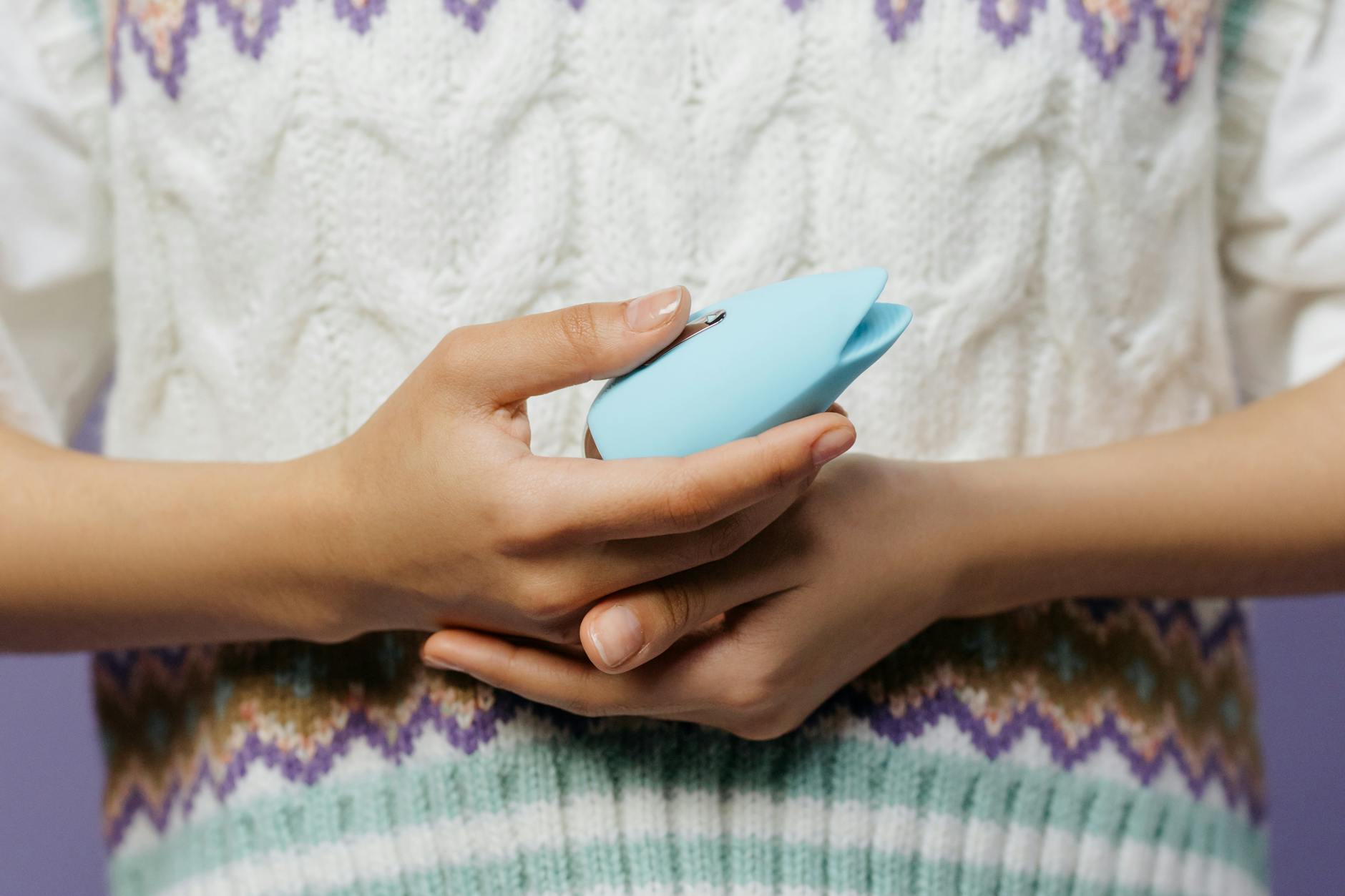
Photo by cottonbro studio on Pexels
The three-phase approach to reconnecting
Phase 1: Lower expectations temporarily. Right now, your body isn't broken. It's recalibrating. The orgasm you had before starting medication isn't the goal yet. The goal is sensation. Can you feel something? That's the win. Celebrate it.
Phase 2: Find your new arousal timeline. With medication, warm-up time often doubles or triples. Budget 30 to 45 minutes instead of 10. This isn't a flaw. It's information. Use this time to reconnect with your body, not to rush.
Phase 3: Use external support strategically. Lemon vibrators aren't a workaround. They're a bridge. Their pulsing action creates enough sensation intensity that your dampened nervous system can actually register pleasure again. Start on the lowest setting. Let your body meet the sensation, not chase it.
If you're in a relationship during this shift
This is where people get stuck. Your partner might feel rejected ("you don't want me anymore"). You might feel ashamed ("my body isn't cooperating"). The medication gets blamed. Honestly, the medication isn't the problem. The silence is.
Here's what I tell couples: separate the conversation into two parts. Part one: "My brain chemistry changed, and my body is adjusting. This is temporary and normal." Part two: "I want us to reconnect during this phase, not wait until I'm back to baseline."
Then you actually plan for it. Instead of hoping spontaneous desire returns, you schedule time. You use toys together. You explore what sensation your body can still access. <a href="/blog/how-to-use-lemon-vibrators-with-a-partner-who-prefers-hands-on-stimulation">Partners who prefer hands-on stimulation often surprise themselves with lemon vibrators</a>, because the sensation is so different from vibration that it doesn't feel like a replacement for touch. It feels like collaboration.
When medication adjustment might help
About 20 to 30% of people on SSRIs never fully adapt, and their doctor might suggest switching medication or adjusting dose timing. This is worth discussing. If you take your medication in the morning, sometimes taking it at night shifts when the peak concentration hits your bloodstream relative to when you're intimate. Small timing changes sometimes help.
Some people find that SSRIs in the citalopram or sertraline family cause fewer sexual side effects than paroxetine. Your psychiatrist knows this. Ask directly. "Are there SSRI options with fewer sexual side effects?" It's a real question with real answers.
Practical steps for using lemon vibrators during this phase
Start low and go slow. The Lem vibrator has eight intensity levels. Spend a full week on levels 1 and 2. Your nervous system is used to dampening right now. Flooding it with high intensity won't help. Consistent, gentle pressure will.
Lube matters more than usual. When arousal takes longer to build, you need lubrication to reduce friction and let sensation come through clearly. Water-based lube works best with silicone toys.
Time it right. If you take your medication in the morning, arousal might be easier in the late afternoon or early evening. Your brain's serotonin levels fluctuate throughout the day. You might find a sweet spot where pleasure is more accessible. Experiment.
The mental load nobody mentions
Here's the part that's harder than the physical adjustment: knowing your body used to respond faster. Knowing desire used to arrive without effort. There's grief in that. Let yourself feel it. You're not overreacting. You're mourning a version of your body, even though you made the right choice taking medication that helps your mental health.
But here's what usually happens around week 10 to 14: your body catches up. Your nervous system adjusts to the new serotonin baseline. Desire starts whispering again. Orgasms return, sometimes different, sometimes even deeper because you're not running on anxiety anymore. You'll get there. <a href="/blog/how-to-use-lemon-vibrators-for-better-sensation-after-prolonged-stress-or-anxiety">Many people find their best pleasure happens after stress and anxiety finally lift</a>.
FAQ: Antidepressants and pleasure
How long does sexual side effects from antidepressants last?
For most people, 6 to 12 weeks. Your body adapts to the new medication as it continues circulating in your system. Some people see improvement sooner. Others take longer. If you're still significantly affected after 12 weeks, talk to your doctor. There might be medication adjustments worth exploring.
Can I stop taking my antidepressant if it's affecting my sex life?
No. Talk to your doctor before changing anything. Stopping SSRIs abruptly causes withdrawal symptoms and depression can return quickly. What you can do: discuss the sexual side effect directly with your prescriber and explore options like dose adjustment, timing changes, or switching to a different medication that might have fewer sexual effects. Your mental health and your sex life both matter.
Do lemon clitoral vibrators work better than other toys when you're on antidepressants?
For many people, yes. The suction and pulsing action creates a different neural pathway than traditional vibration. Because your brain is already dampening arousal signals, lemon vibrators' deeper, more rhythmic stimulation often cuts through that dampening more effectively. But everyone's body is different. What works brilliantly for one person might be neutral for another.
Will my partner think I'm choosing the toy over them?
They might, if you don't talk about it. Use a lemon vibrator as a bridge, not a barrier. Incorporate it into partnered sex. Let them hold it. Explain that this is temporary and that you're using tools to stay connected during a phase where your body is adjusting. Couples who frame toys as collaboration usually find intimacy actually deepens.
What if I've been on antidepressants for years and pleasure never came back?
This happens to a smaller percentage of people, and it's not permanent. Your body might need a different medication, a dose adjustment, or a timing change. It's also worth exploring with a therapist whether there's an emotional or relational layer making pleasure harder. Sometimes medication side effects and relationship disconnection pile on top of each other.
Can I use lemon vibrators safely if I'm on other medications too?
Generally, yes. Lemon vibrators are external devices. They don't interact with medications. But if you're on blood thinners or have any condition affecting blood flow, check with your doctor. For most people on SSRIs, mood stabilizers, or anti-anxiety meds, a lemon clitoral vibrator is totally safe and often genuinely helpful.
The thing to remember
Your medication gave you back your mind. Your nervous system is adjusting to that gift. Right now, pleasure feels further away. That's temporary. And while you're waiting for your body to catch up, tools like lemon vibrators aren't workarounds. They're what you use to stay connected to pleasure and to your partner during a necessary transition.
Your sex life isn't over. It's recalibrating. And often, on the other side of that recalibration, it's even better because you're not running on anxiety anymore.