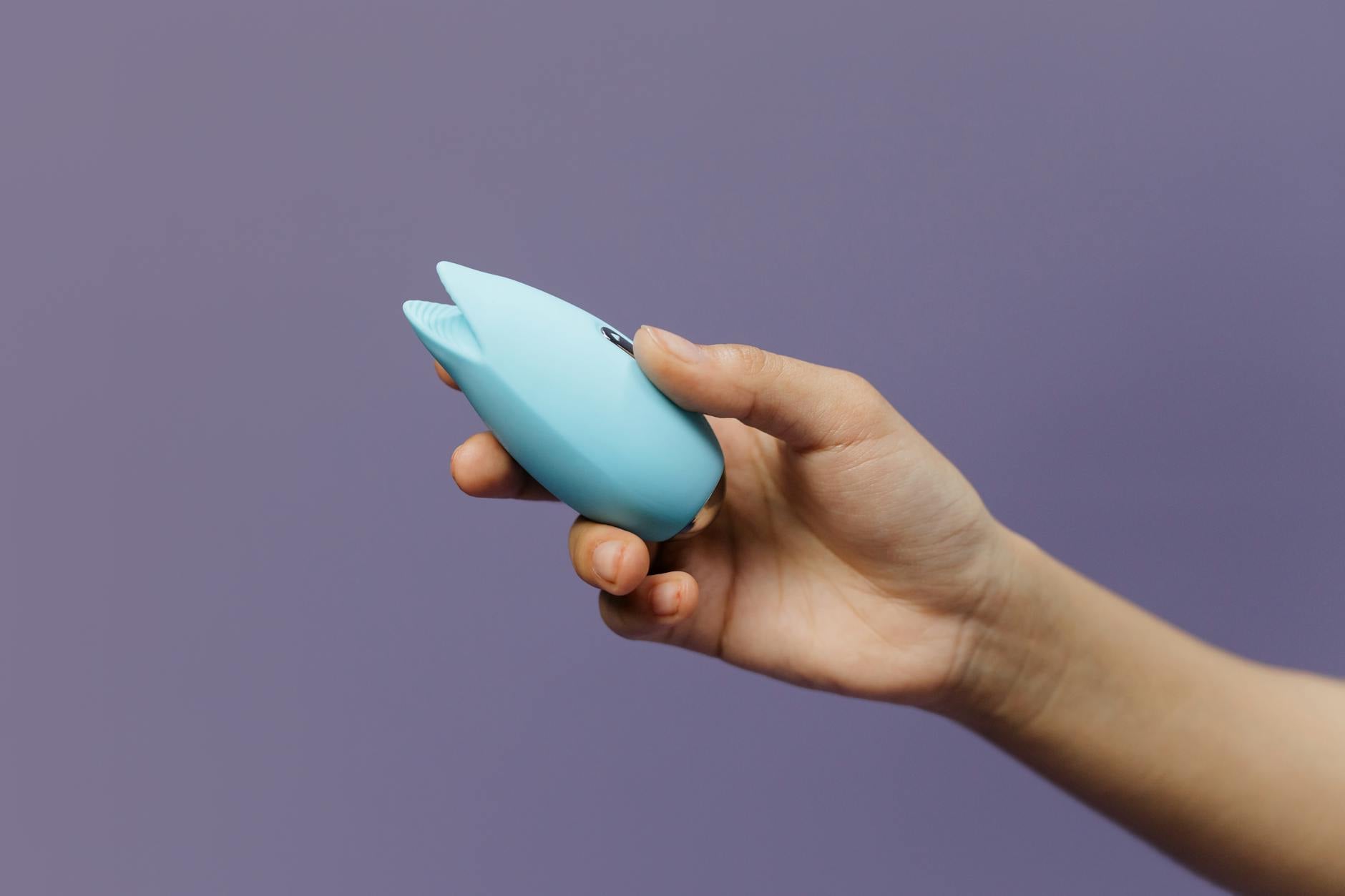
Let's be real about medication and pleasure
If you started an SSRI or SNRI and suddenly your clitoris feels like it's wrapped in cotton, you're not imagining it. Sexual side effects from serotonin-reuptake inhibitors hit somewhere between 40 and 60 percent of people who take them. That means delayed orgasm, reduced sensation, less natural lubrication, and sometimes a flatness that makes you wonder if pleasure is even possible anymore.
Here's what matters: It's not your body failing you. It's the medication doing exactly what it's designed to do. It's just doing it everywhere, including places you didn't authorize.
How SSRIs and SNRIs change sensation
The mechanism is well-mapped by now. These medications increase available serotonin by preventing reuptake, which stabilizes mood. But serotonin also regulates arousal, orgasm, and genital sensation. The same neurochemical shifts that lift depression can blunt the exact signals your clitoris depends on to feel stimulation and build toward orgasm.
When sensation dulls, it's not laziness or lack of desire. It's a physical change in how readily nerve endings fire. The clitoral tissue is still there. The nerves are still there. The pathway to your brain is still there. But the signal is quieter.
This is why traditional vibrators sometimes stop working. They rely on intensity to compensate for numbness, but intensity alone doesn't always penetrate that serotonin-dampened fog. You end up chasing sensation and getting frustrated.
Why lemon suction vibrators work differently on medicated bodies
The technology behind lemon clitoral vibrators operates on a different principle than conventional vibration. Instead of trying to force a signal through muted receptors via friction and speed, suction stimulates deeper nerve clusters by creating a gentle seal and rhythmic pressure. It's less about how hard or fast and more about consistent, targeted stimulation.
For medicated bodies specifically, this matters because suction can access nerve endings that straight vibration misses. You're not relying on surface sensation alone. The pressure differential brings blood into the area and activates different neural pathways. Many people find they can reach orgasm with a lemon vibrator when other toys have stopped working.
I've had clients on SSRIs report that switching to a lemon sucker was the first time in months they'd felt pleasure clearly. It's not magic. It's biomechanics meeting the realities of how your nervous system is currently operating.
Timing your medication and pleasure sessions
One practical thing almost no one mentions: medication levels matter. SSRIs and SNRIs hit different peaks throughout your day depending on when you take them and your individual metabolism. Some people feel more sensation in the morning. Others find their best window is eight hours after taking their dose.
If you've been taking your antidepressant for a few weeks or months, you already know your own rhythm. Experiment intentionally. Try using a lemon vibrator at different times of day and notice which sessions feel more responsive. Some people discover they have a genuine two-hour window where sensation is noticeably sharper. Once you know your window, plan accordingly.
This isn't about gaming the medication. It's about working within its current reality instead of fighting it.
Strategies that actually help restore sensation
Four things I recommend alongside lemon clitoral vibrators:
First, slow down the warm-up. When sensation is dulled, a five-minute buildup won't cut it. Budget 20 to 30 minutes to let arousal accumulate. This matters less than you'd think with a lemon vibrator, because suction is efficient, but the psychological permission to linger makes a difference.
Second, add water-based lubricant even if you wouldn't normally need it. Medication can reduce natural lubrication, and a good lube amplifies sensation instead of muffling it. It also makes the seal of a lemon sucker more effective.
Third, experiment with pattern. Most lemon vibrators offer multiple settings. Don't default to the strongest one. Try the gentler patterns first. With dulled sensation, sometimes a complex rhythm wakes things up better than raw power.
Fourth, consider combining a lemon vibrator with external touch from a partner or your own hands. The combination of suction plus manual stimulation in adjacent areas can create a layered sensation that breaks through numbness more reliably than suction alone.
When to talk to your prescriber
If sensation loss is severe enough that it's affecting your quality of life or your relationship, mention it to whoever prescribed the medication. There are options. Some people benefit from dose adjustment. Others switch to an antidepressant with a lower sexual side effect profile. A few find that adding a second medication to counteract the sexual effects works.
These conversations can feel awkward, but prescribers hear them constantly. They're trained for it. And you deserve to feel pleasure.
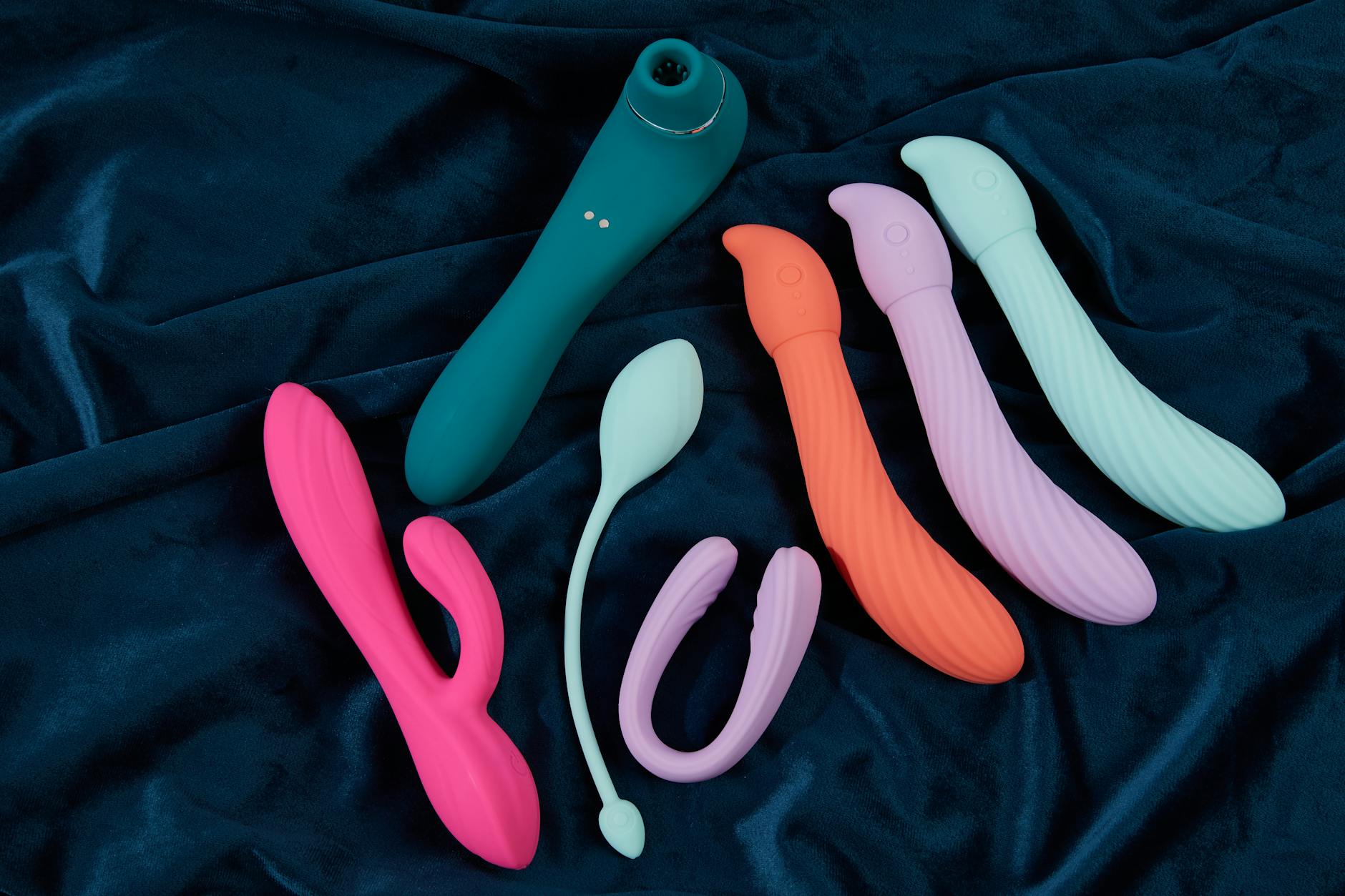
Photo by IFONNX Toys on Pexels
The emotional layer underneath
Here's something I see happen a lot: people feel shame about needing a more intense tool like a lemon vibrator to orgasm on medication. They think it means something is wrong with them or that they're more broken than they were before.
That's not how bodies work. Your body is adapting to a medication that's keeping you stable. Using a lemon suction vibrator isn't a sign of failure. It's a pragmatic tool. You wouldn't feel shame using glasses if SSRIs blurred your vision. You'd grab the glasses. Same principle.
If you have a partner, this is also a place where honesty helps. "My medication changed how I feel sensation, and I want to explore tools that work with my body right now" is radically different than carrying silent frustration. The conversation often brings partners closer because it's collaborative problem-solving instead of unspoken disappointment.
Resetting desensitization separate from medication
One more layer: if you've been taking antidepressants for years and sensation remains really flat even within your best windows, desensitization to stimulation might be layered on top of the medication effect. This is worth addressing separately.
Taking breaks from any vibrator for a week or two, focusing on manual stimulation and partnered touch, and then reintroducing a lemon vibrator can sometimes restore responsiveness. Your nervous system does habituate to stimulus. Resetting that cycle occasionally helps maintain sensation.
I've worked with couples where one partner on an SSRI had become almost entirely numb. Combining a two-week vibrator break with more varied, slower partnered touch, then reintroducing a lemon clitoral vibrator, created a noticeable shift. The medication was still there. The dampening was still happening. But the system had been reset enough to respond again.
What to try first
If you're medicated and considering a lemon vibrator for the first time, start with the base model. You don't need every feature. What you need is consistent suction with a few pattern options so you can find what your specific nervous system responds to. Many people find the gentler patterns work best when sensation is dulled. Reserve the intensity settings for later once you've figured out what your body actually wants.
If you've already tried traditional vibrators and they weren't working, a shift to a lemon suction vibrator often feels like someone finally understood the actual problem. It's not that you're broken. It's that the tool didn't match the job.
Your medication is keeping you stable. You deserve pleasure alongside that stability. A lemon vibrator and the strategies above are how you get there.
People Also Ask
Can I use a lemon vibrator if I'm just starting an antidepressant?
Absolutely. There's no reason to wait and see if sexual side effects develop. If they do, you'll already know that a lemon clitoral vibrator works for you. If they don't, you've just got a tool that works really well. Starting early also helps you avoid the period where some people just give up on pleasure and accept numbness as permanent. It's not.
Do sexual side effects from SSRIs ever go away on their own?
Sometimes. People's bodies can adjust after three to six months, and sensation can partially return. But not always. Some people take SSRIs for years and never regain baseline sensation. That's why having tools like a lemon sucker on hand early is practical, not pessimistic. You're covered either way.
Will switching lemon vibrators help if I've gotten used to one brand?
Maybe. If you've been using the same lemon vibrator for a long time and sensation has dulled further, trying a different suction pattern or intensity curve sometimes helps reset responsiveness. But honestly, a two-week vibrator break plus manual stimulation usually does more. Then you reintroduce the same vibrator and your body responds more sharply.
Can I combine a lemon vibrator with other pleasure tools?
Yes. Layering sensation often works better than any single tool when medication has dulled things. Pairing a lemon clitoral vibrator with manual stimulation from a partner, hand-held massagers on other areas, or even combining it with partnered penetration can create enough input that you break through the numbness. Start with lemon vibrator plus hands and see what emerges.
Should I tell my partner about using a lemon vibrator if I'm on an SSRI?
If you want a partnered sex life alongside your medication, yes. Honesty about what you need to feel pleasure is foundational. Many partners feel relief when they learn the issue is medication-related, not them or your attraction to them. It shifts the problem from blame to collaboration.
Is a lemon suction vibrator better than increasing my medication dose?
They're different solutions to different problems. Medication dose controls your depression. A lemon vibrator helps you feel pleasure within the constraints of your current dose. Some people benefit from dose adjustment for sexual side effects. Others prefer tools like lemon clitoral vibrators. Talk to your prescriber about what makes sense for your specific situation. You don't have to choose one or the other permanently.
Moving forward
Antidepressants give you back your life. That's not an exaggeration. They stop the cycling, the fog, the hopelessness. And sometimes they dull sensation in the process. That's a trade-off many people are willing to make.
But willingness doesn't mean you have to accept a completely flat pleasure life. A lemon vibrator and the practical strategies above can help you maintain connection to your body and to pleasure while you're medicated. Your body isn't broken. It's just operating under new conditions. The right tools make all the difference.
If you're struggling with this specific intersection of medication and pleasure, consider reaching out. These conversations deserve nuanced, personalized thinking, not generic advice.