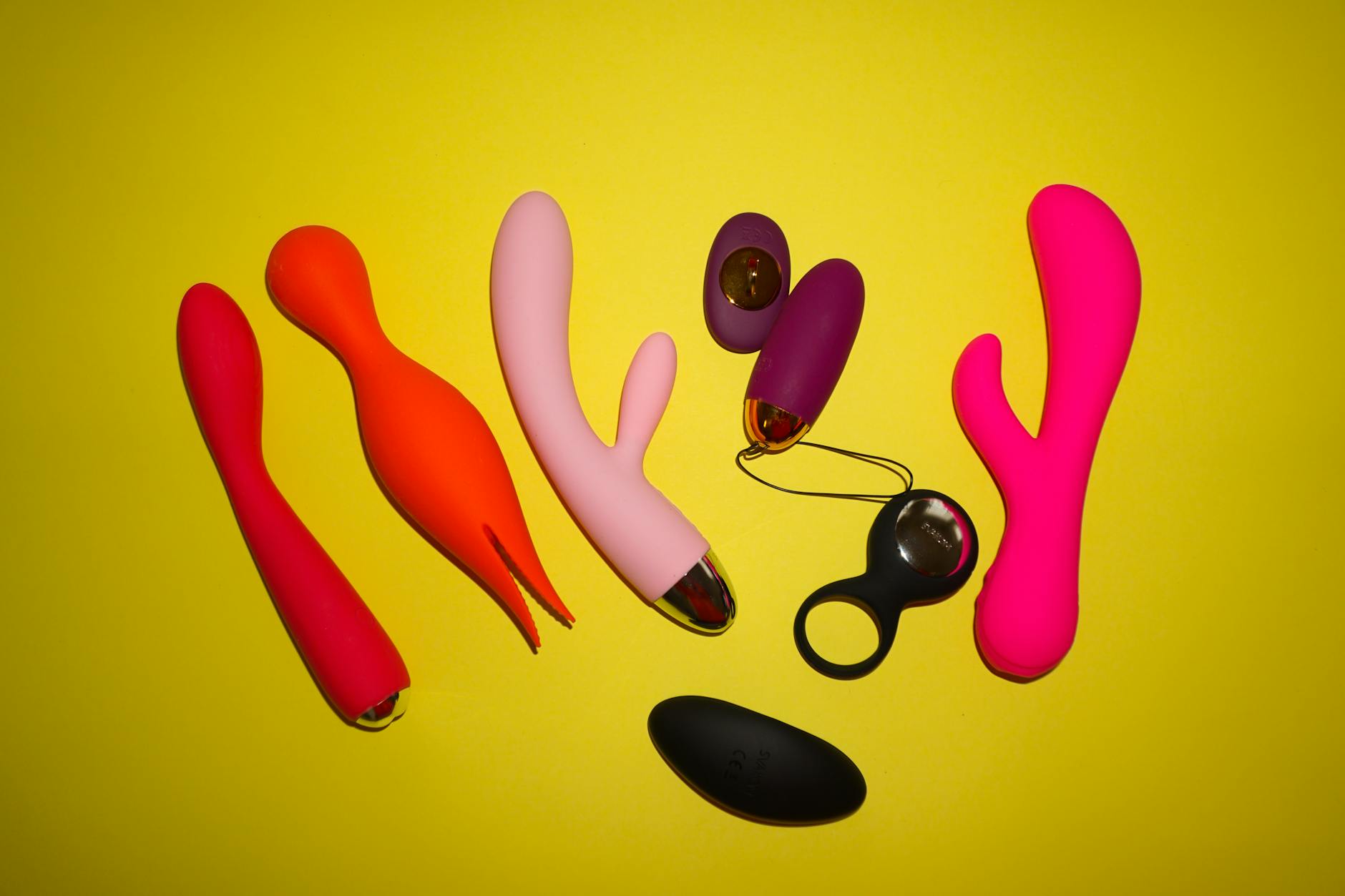
Here's what nobody tells you about sex after having a baby
Your doctor says six weeks. Your partner hopes it's sooner. You're wondering if you'll ever want to have sex again. The truth is messier, slower, and way more forgiving than the standard "cleared for sex at six weeks" line suggests.
Postpartum recovery isn't a finish line. It's a spectrum. And lemon vibrators, which are gentler than traditional vibrators, can actually be smart tools for rebuilding intimacy at your own pace, not anyone else's timeline.
What actually happens to your body after birth
Whether you delivered vaginally or by cesarean, your body goes through significant physical changes. If you pushed a baby out, the vaginal tissue, pelvic floor, and perineum experienced stretching and sometimes tearing. Your uterus is involuting, your hormones are plummeting, and if you're breastfeeding, your estrogen is staying low.
All of this affects sensation, arousal, and comfort. The tissues are thinner and less elastic. The pelvic floor is either weakened from stretching or tight and restricted from trauma. Lubrication is minimal. Your brain is running on sleep deprivation and hypervigilance.
That's not your body being broken. That's your body doing exactly what it's designed to do. But it does mean jumping into your pre-baby sex life at six weeks is often premature.
The real timeline for postpartum pleasure
Medically cleared and emotionally ready are two different things. Here's what the research actually shows.
Weeks 0-6: Focus is on healing, not pleasure. If you have stitches or a cesarean incision, this is not the time for any genital stimulation. Your job is rest, recovery, and pelvic floor awareness. Some people benefit from gentle pelvic floor breathing exercises, but that's it.
Weeks 6-12: You're medically cleared, but your tissues are still fragile. If you're curious about solo pleasure, this is the window where some people gently explore sensation again, often without penetration. Lemon vibrators are useful here because they offer clitoral suction stimulation without friction or internal pressure. No penetration required. Lower intensity. Shorter sessions.
Weeks 12-20: Tissues are healing further. If you've had physical therapy for pelvic floor dysfunction, you're likely noticing more sensation and less pain with penetration. Partnered sex or solo exploration can expand in intensity and duration. A lemon clitoral vibrator works beautifully here because it isolates clitoral pleasure without demanding that your vaginal tissues be ready for anything else.
Beyond 20 weeks: You're probably closer to baseline. That doesn't mean back to pre-baby. Hormones stay lower if you're breastfeeding. Fatigue is real. But capacity, confidence, and pleasure are usually more accessible.
Why lemon vibrators work better postpartum
Traditional vibrators demand a lot from healing tissue. They require direct friction on delicate skin. They often need penetration. They're loud, which triggers anxiety in a house full of a newborn's needs.
Lemon clitoral vibrators use suction technology instead. Here's why that matters for postpartum bodies.
First, suction activates nerves differently than vibration. It doesn't rely on surface friction the same way. For tissue that's thin, sensitive, or healing from tearing, this is gentler. Second, most lemon vibrators are quieter. When you're home with a baby and partner and in-laws, the lack of a loud buzz is genuinely valuable for relaxation.
Third, lemon vibrators allow pleasure to be completely clitoral. After birth, the clitoris heals faster than deeper tissue. You can experience intense sensation and even orgasm without needing your vagina to be ready for anything else. That separation is powerful. It rebuilds confidence without the pressure to transition to partnered sex before you're ready.
Starting slowly with a lemon vibrator postpartum
If you're past eight weeks, have been cleared by your doctor, and want to explore solo pleasure again, here's how to use a lemon vibrator safely.
Start at the lowest setting. The Lem vibrator has multiple intensity levels. Begin at pattern 1 or 2. Your body is healing. More intense is not better. More sensitive is accurate.
Use it outside the vagina. Position the vibrator on the clitoral area only. No insertion. No pressure on internal areas. This removes the variable of whether your vaginal tissue is ready and lets pleasure be simple.
Keep it short. Five to ten minutes is enough. You're checking in with sensation, not trying to come immediately. Sometimes that happens. Sometimes it doesn't. Both are fine.
Use water-based lubricant if you need it. Your natural lubrication might still be low, especially if you're breastfeeding. A little external lubrication helps. Silicone lube can damage the silicone vibrator, so stick to water-based.
Stop if there's pain. Not pressure. Not sensation. Pain. Actual pain means something isn't ready. Scale back and check in with your doctor or pelvic floor physical therapist.
The emotional piece matters as much as the physical
Postpartum bodies carry grief alongside healing. Your body changed to create a life. It might not feel like yours for a while. Your partner might be looking at you differently. You might be terrified of becoming pregnant again. You might be touched out from constant contact with your baby.
None of that is solved by a vibrator. But using a lemon vibrator solo, at your own pace, can rebuild your relationship with your own pleasure. That's different from pleasure with a partner. It's permission to remember that your body is still capable of sensation and orgasm, even when everything feels fractured.
For people in relationships, solo pleasure exploration also reduces the pressure on partnered sex. When your partner isn't the gatekeeper of your pleasure, sex becomes less loaded. It stops being about proving you're healed and starts being about reconnection on your terms.
When to talk to a specialist
If you experience pain during or after using a lemon vibrator weeks postpartum, that's worth mentioning to your doctor. Pain can signal incomplete healing, infection, or pelvic floor tension that needs physical therapy.
If you have zero interest in sex or pleasure months postpartum, that's also worth exploring. Postpartum depression and anxiety affect sexual desire. Hormonal shifts from breastfeeding suppress it too. A therapist or gynecologist trained in postpartum mental health can help.
And if you had a tear or episiotomy, a pelvic floor physical therapist is genuinely valuable, not optional. They can assess whether your tissues are actually healed, teach you how to rebuild pelvic floor strength and flexibility, and clear you for pleasure and penetration with actual evidence, not just calendar math.
The thing about postpartum sex nobody says
Your body rebuilt itself. It fed a baby. It's miraculous and traumatized at the same time. Pleasure doesn't return on a schedule. Some people are back to adventurous sex in a few months. Some take a year or longer. Both are normal.
Using a lemon vibrator postpartum isn't about rushing back to normal. It's about slow, gentle permission to remember that pleasure is part of your life too, alongside the endless cycle of feeding and diaper changes. When you're ready. At your pace. Without apology.