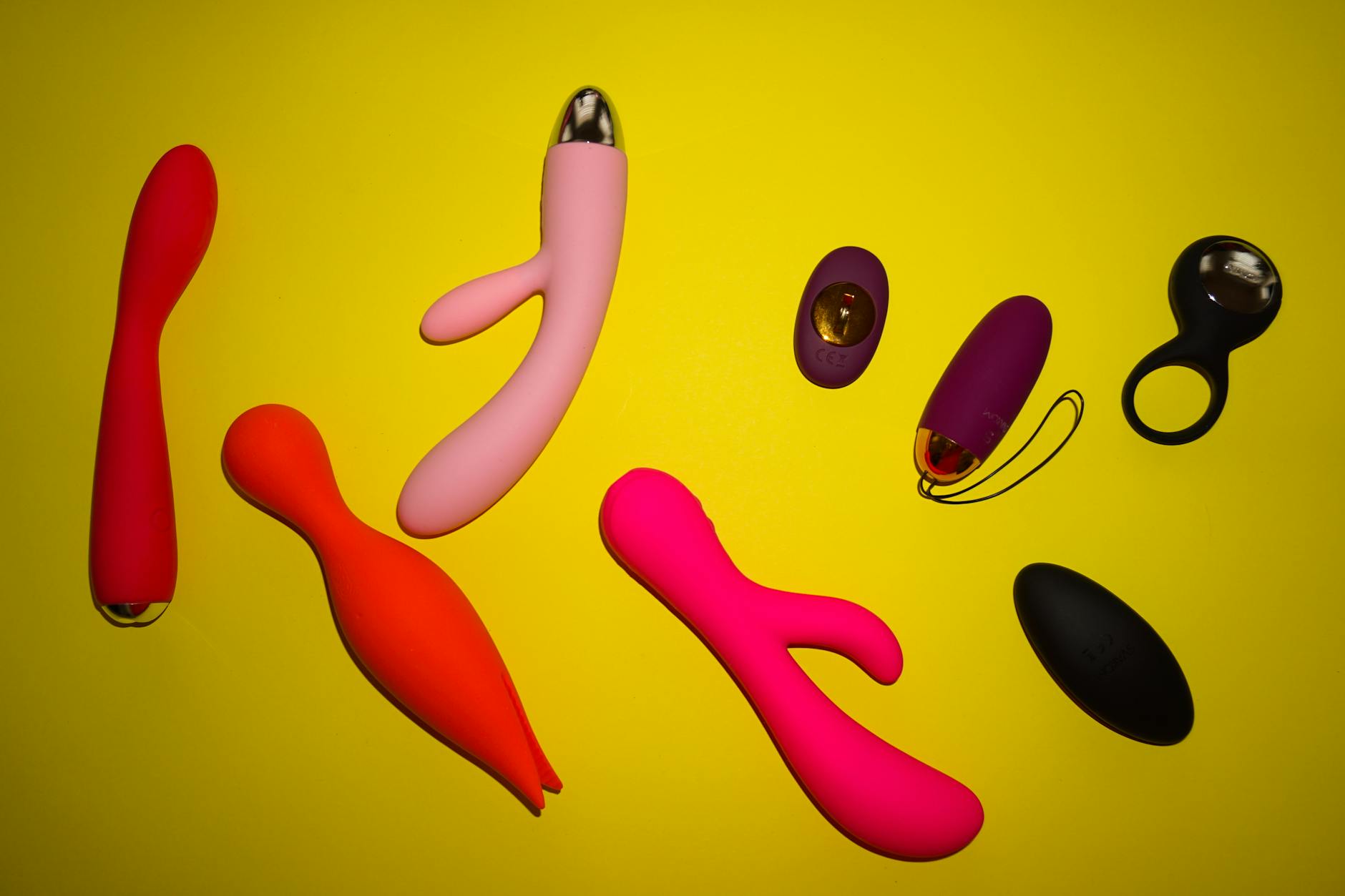
Let's talk about what breaks pleasure (and how to fix it)
Sexual dysfunction isn't rare. It's not shameful. It's also not permanent. But here's what makes it tricky: once your body learns to associate touch with pain, numbness, or anxiety, that neural pathway doesn't just disappear when the original problem does. Your nervous system stays locked in protection mode. The medication clears your system. The trauma therapy helps. But your body hasn't learned that pleasure is safe again.
That's where lemon clitoral vibrators come in. Not as a magic fix, but as a reset tool. And the science of why they work is actually fascinating.
How sexual dysfunction rewires your nervous system
Let me break down what happens when pleasure goes offline. Sexual dysfunction typically comes from one of these pathways: physical pain during sex (dyspareunia), numbness from medication side effects, low desire from hormonal shifts, or anxiety and past trauma that keeps your body in a state of perpetual guard.
When any of these happens repeatedly, your brain essentially files pleasure under "threat." Your pelvic floor tenses. Blood flow decreases. Arousal becomes harder to access. Even after the original cause is treated, your body hasn't gotten the memo that it's safe.
This is especially true for people recovering from sexual assault or prolonged pain conditions. The nervous system learns caution. Unlearning it takes more than time.
Why lemon vibrators specifically help reset arousal
Most vibrators work through simple vibration. You place them on sensitive tissue and the vibration does the work. With lemon clitoral vibrators, the mechanism is different. They use gentle suction combined with subtle vibration. This approach has three major advantages for recovery.
First, suction is less intense than direct vibration. If your nervous system is in protective mode, a strong vibration can feel threatening. Suction feels more like gentle pulling. Your body can tolerate it more easily. As your nervous system relaxes, you can gradually increase sensation. This gradual approach is key. You're teaching your body that increasing pleasure is safe, not shocking.
Second, suction activates different nerve pathways than vibration alone. The clitoris has thousands of nerve endings. Vibration tends to fire all of them at once. Suction creates a sustained pressure that feels more like a sustained caress. For people whose nervous systems have been traumatized or overstimulated, this feels fundamentally different. Less like attack. More like connection.
Third, the Lem and similar lemon adult toys are quiet and discreet. Anxiety often lives in the details. If you're already nervous about pleasure, a loud vibrator adds a layer of self-consciousness that makes everything harder. Quiet devices let you focus inward instead of outward.
The pathway back: how recovery actually works
Here's what I see happen with clients who use lemon vibrators as part of their recovery from sexual dysfunction. The process usually unfolds in stages.
Week one to two. You might not feel much. That's normal. You're introducing your nervous system to a new signal. Some people feel a subtle pressure or warmth rather than obvious pleasure. That's still progress. Your body is learning that this sensation is safe.
Week two to four. Sensation starts to increase. Not because the vibrator is stronger (it isn't), but because your body is learning to relax and actually feel. Some clients describe it as "waking up" tissue that's been numb or guarded. You might notice more lubrication, easier arousal, or the ability to feel pleasure for longer without shutting down.
Week four onward. The real work happens. Your nervous system is learning that pleasure doesn't lead to pain or shame or danger. Each positive experience rewires the pathway. This is neuroplasticity in action. The more you experience safe arousal, the more your brain reorganizes around the new information.
This is not instantaneous. Recovery is not. But it's real, and it compounds.
When lemon sexual toys aren't enough (and what to add)
Devices are tools. They're not therapy replacements. If your sexual dysfunction came from trauma, you likely need a trauma-informed therapist alongside any device work. If it came from pain, you might need pelvic floor physical therapy. If it's medication-related, your doctor might adjust your prescription or add something to counteract the side effect.
Lemon clitoral vibrators work best as part of a larger toolkit. Think of them as creating the conditions where healing can happen. But the healing itself requires attention to your nervous system, your relationship, and sometimes your brain chemistry.
I often recommend that clients start with their healthcare provider, get clarity on what's causing the dysfunction, and then add device exploration. The combination is more powerful than either alone.
Creating safety while you rebuild pleasure
Recovery from sexual dysfunction requires that you feel safe. That means removing pressure. Many people try to "perform" pleasure before they can actually feel it. That defeats the entire point.
When you're using lemon vibrators as part of recovery, give yourself permission to experience whatever arises. Numbness. Tingling. Warmth. Boredom. Frustration. All of it is information. None of it means you're broken.
It also helps to separate sensation from orgasm. Many people recovering from dysfunction are hyper-focused on "did I come?" That pressure actually prevents arousal. Instead, track sensation. Did I feel anything new today? Did anything feel less guarded? Did I stay relaxed for longer? These are the real milestones.
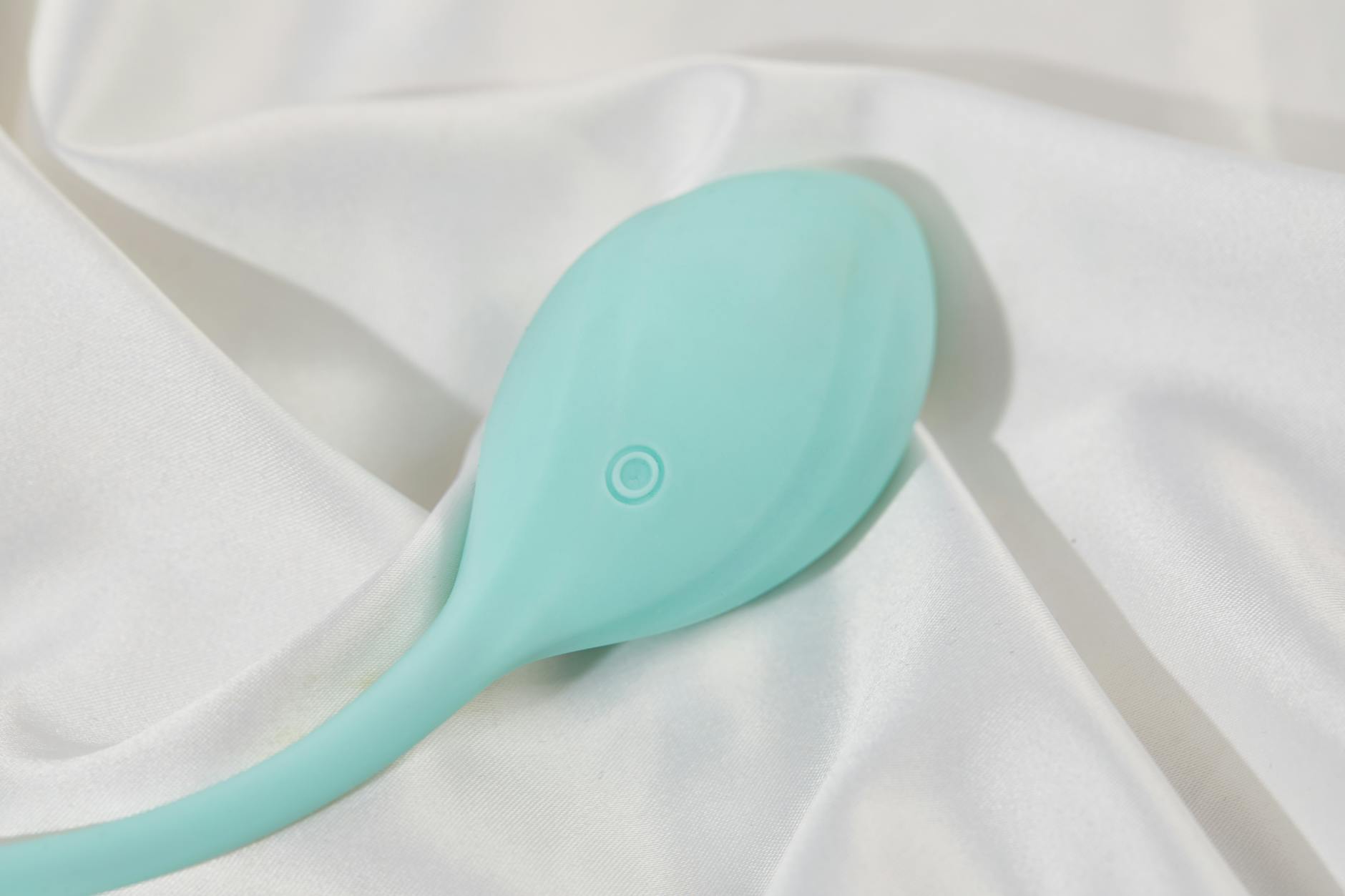
Photo by IFONNX Toys on Pexels
The role of your partner (if you have one)
If you're in a relationship, communication matters enormously. Your partner needs to understand that you're not excluding them. You're giving yourself the safety to explore sensation alone. Many couples find that solo exploration actually improves partnered sex because it removes the performance pressure.
Some people choose to introduce their partner later. Some prefer to keep device use private. Both are valid. What matters is that your partner understands you're not rejecting them. You're rebuilding yourself.
For specific communication strategies, how to introduce lemon vibrators to your partner without awkward conversations walks through language and timing that actually works.
When medication is the culprit
If your sexual dysfunction came from antidepressants, antipsychotics, or blood pressure meds, lemon vibrators can help compensate for reduced sensation and delayed arousal. But they can't replace medication adjustment.
Talk to your prescriber about whether a dose change, timing adjustment, or medication switch might help. Sometimes the fix is pharmaceutical. Sometimes you need both the right medication and the right tool. Sometimes it's the device alone. Your doctor can help you figure out which.
Moving from recovery to pleasure
The end goal isn't just restoration. It's actually discovering pleasure that might feel different, or deeper, or more nuanced than it did before. People often come out of sexual dysfunction recovery with a completely different relationship to their body. Less performative. More honest. More grounded in actual sensation rather than expectation.
Lemon adult toys help build that foundation. They're non-judgmental. They don't have needs or expectations. They just offer sensation. Your job is to learn to receive it.
FAQ: Restoring pleasure after sexual dysfunction
How long does it typically take to feel results with a lemon vibrator after sexual dysfunction?
Most people report noticing some change within two to four weeks of consistent use. But "change" doesn't always mean orgasm. It might mean better arousal, easier lubrication, or just less tenseness. Full sensation recovery can take months, depending on how long the dysfunction lasted and what caused it. Patience is not optional here.
Is it normal to feel nothing at first when using a lemon clitoral vibrator during recovery?
Completely normal. Your nervous system is in protective mode. Numbness or lack of sensation in the early stages doesn't mean the vibrator isn't working. It means your body is cautiously testing whether this is safe. Keep going. The sensation typically comes once your nervous system relaxes.
Can lemon vibrators help with sexual dysfunction caused by antidepressants?
They can help manage the symptoms, yes. Many antidepressants reduce sensation and arousal. A lemon clitoral vibrator can provide more direct, intense stimulation than manual touch alone, which sometimes helps bypass the numbness. But talk to your prescriber about whether a dose adjustment or medication switch might be worth exploring too.
Should I use a lemon vibrator during partnered sex if I'm recovering from sexual dysfunction?
That's up to you. Some people find that solo exploration first, then partnered use later, works best. Others want their partner involved from the start. The key is that you feel no pressure. If you do choose to use it with a partner, make sure they understand you're not replacing them. You're adding a tool that helps you access pleasure more easily.
What if a lemon vibrator doesn't help my sexual dysfunction?
Then you might need different support. A trauma-informed therapist, a pelvic floor physical therapist, medication adjustment, or a combination of all three. Devices help, but they're not a substitute for professional care if the dysfunction is rooted in trauma or a medical condition that needs treatment.
Can I use a lemon sucker vibrator alongside therapy or medication changes?
Absolutely. In fact, that's the ideal approach. A lemon sexual toy can support healing while you're also working with a therapist or adjusting medication. The combination is more effective than any single intervention alone.
The bottom line
Sexual dysfunction is real, but recovery is possible. Your nervous system can relearn that pleasure is safe. Your body can rebuild sensation. Your desire can come back. Lemon clitoral vibrators won't do the work alone, but they can create the conditions where it becomes possible. Start with patience, add professional support when needed, and give yourself permission to rebuild at your own pace. Your pleasure is worth the effort.
If you're starting this journey and want more specific guidance, exploring lemon vibrators as a first-time user covers how to choose and use a device when you're rebuilding from zero sensation. And if you're navigating recovery after trauma specifically, why lemon vibrators feel different when recovering from pelvic trauma walks through the additional considerations that matter.
Your body remembers how to feel. Sometimes it just needs permission and the right tool to get there.