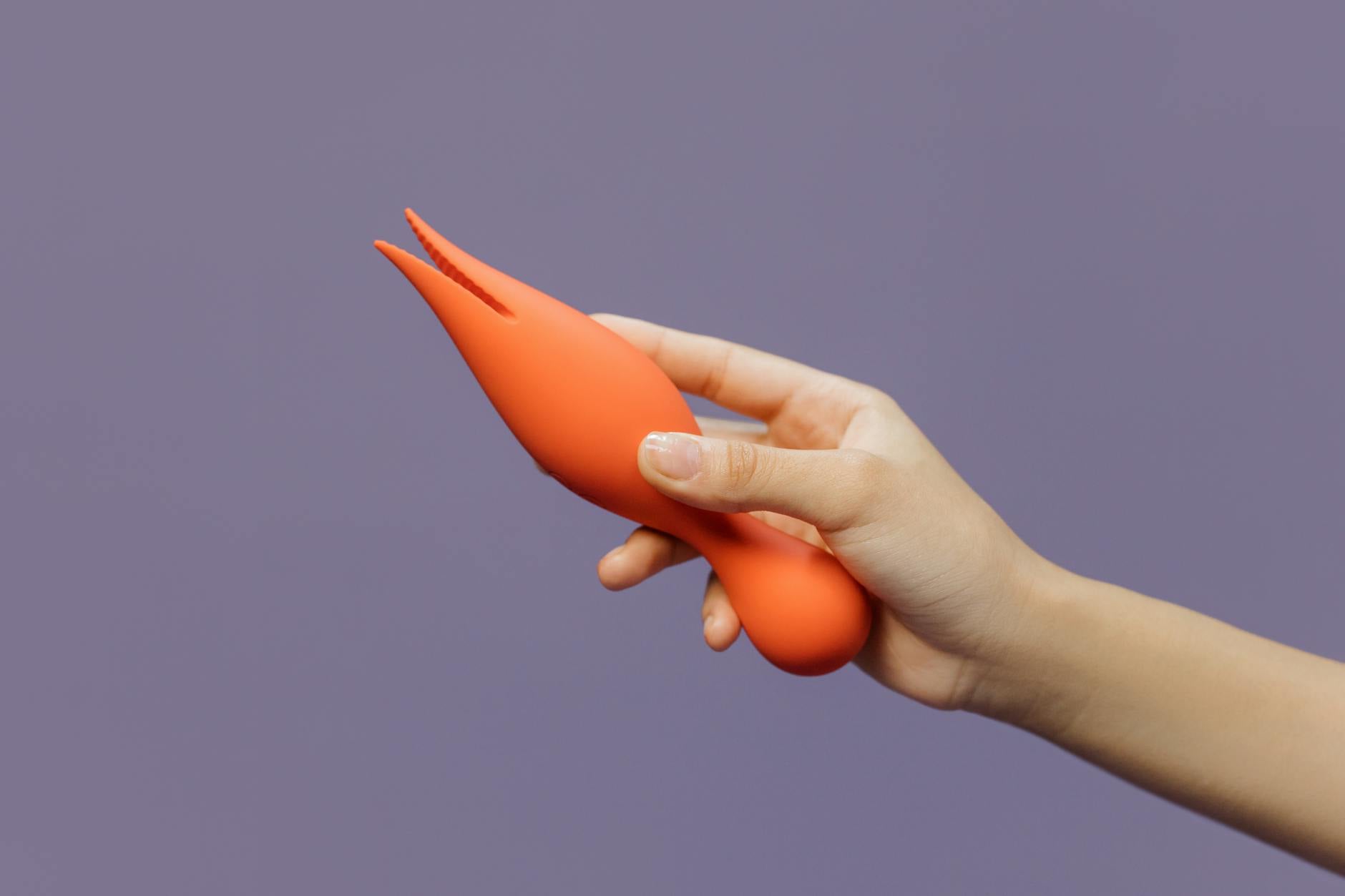
How to Find the Right Lemon Vibrator for Your Body Type and Sensitivity
Here's what nobody tells you: the most expensive vibrator isn't the best vibrator for you. The most popular one isn't either. The best one is the one that fits your actual body, matches your nerve density, and aligns with how your specific anatomy responds to touch.
I work with couples navigating intimacy rebuilds, and I see the same pattern over and over. Someone buys a clitoral vibrator because it has great reviews, and it doesn't work for their body. They assume there's something wrong with them. There isn't. They just picked the wrong tool for their hardware.
Lemon vibrators, and especially the lem vibrator design, work through suction and pulsation rather than pure vibration. That matters because it changes which bodies benefit most. Let me walk you through how to think about this.
Understanding your sensation baseline
Before you pick a lemon vibrator or any clitoral vibrator, you need to know your baseline. This isn't about sensitivity in the emotional sense. It's about nerve density and how quickly your body registers touch.
There are three rough categories here. High sensitivity means your clitoris responds quickly to light touch, and intense sensation can become overwhelming or even uncomfortable. Medium sensitivity is the broadest group. Moderate pressure and stimulation feel good without too much buildup to discomfort. Lower sensitivity means you need more direct pressure, longer warm-up time, or multiple types of stimulation to reach arousal.
How do you figure out which one you are? Pay attention to how your body responds to partnered touch without any toys. Does your partner's fingers feel intense after just a few seconds? Does it take a while to build? Does direct pressure sometimes feel numbing or like you need something stronger?
Your baseline determines whether a lemon sucker like the lem vibrator makes sense for you at all, and if it does, which intensity setting you'll actually use.
Body geometry matters more than you think
The clitoris has an internal and external structure, and the visible part (the glans) is only the tip. Some people have a more prominent external glans. Others have more tissue around it, or it sits differently relative to the pubic mound. This changes how contact feels and which stimulation patterns work.
Lemon vibrators are designed with a specific opening size and suction intensity. If your anatomy sits differently, the seal might not work the way it's supposed to. You might get excellent contact, or the suction might feel loose or uncomfortable. Neither is a fault in your body.
Pay attention to what feels good during partnered touch. Do you prefer direct contact on the glans itself, or do you like stimulation on the surrounding tissue? Do you prefer your partner's fingers to approach from above, from the side, or with upward pressure? That's your geometry talking, and a good lemon clitoral vibrator should match it.
Hormone cycles and tissue changes
Your sensitivity isn't static. It changes throughout your cycle if you menstruate, during hormonal shifts like perimenopause, and over the course of your lifetime.
In the follicular phase (first half of your cycle), estrogen is rising, blood flow increases, and your clitoris is more engorged and responsive. That's often when a medium to higher intensity lemon vibrator feels best. In the luteal phase, everything is slightly less plump and responsive. You might prefer lower intensity or longer warm-up.
If you're on hormonal birth control, you're cycling artificially, so some months feel more responsive than others anyway. If you're approaching menopause or in it, tissue changes mean you might have used a certain intensity setting for years and suddenly need something gentler, or conversely, you might need more pressure than before.
This is why I tell people: buy a lemon vibrator that has adjustable intensity. You need flexibility. What works brilliantly in one phase of your life might feel harsh six months later.
The role of pelvic floor tension
One of the biggest variables nobody talks about is pelvic floor tension. A tight pelvic floor changes how vibration feels. It can make sensation feel sharper, less pleasurable, or even painful. A relaxed pelvic floor allows more blood flow, more sensation resolution, and often more intense orgasms.
If you spend your days stressed, holding tension, or suppressing arousal out of habit, your pelvic floor is probably tighter than it could be. A lemon vibrator won't feel as good until you address that.
Before you use a clitoral vibrator, take two minutes to consciously relax your pelvic floor. Breathe deeply. Notice where you're holding tension and let it go. The same lemon sucker will feel completely different. This matters especially if you're recovering from vaginismus or pelvic trauma.
Matching stimulation style to your preference
Lemon vibrators work differently than traditional vibrators. They use suction and pulsation patterns rather than steady vibration. For some people, this is perfect. For others, it's not the right approach.
Choose a lemon clitoral vibrator if: you find direct vibration too intense, you prefer rhythmic pulsation over constant buzz, you've had good experiences with oral stimulation, or you need something that works well on sensitive tissue without friction. The lem vibrator design is particularly good for people who find that traditional vibrators cause numbness or discomfort with prolonged use.
Skip the lemon vibrator and try something else if: you need constant, consistent intensity to reach orgasm, you find pulsing rhythms distracting rather than helpful, or you prefer broad stimulation over concentrated sensation. That's totally valid. There are other options.
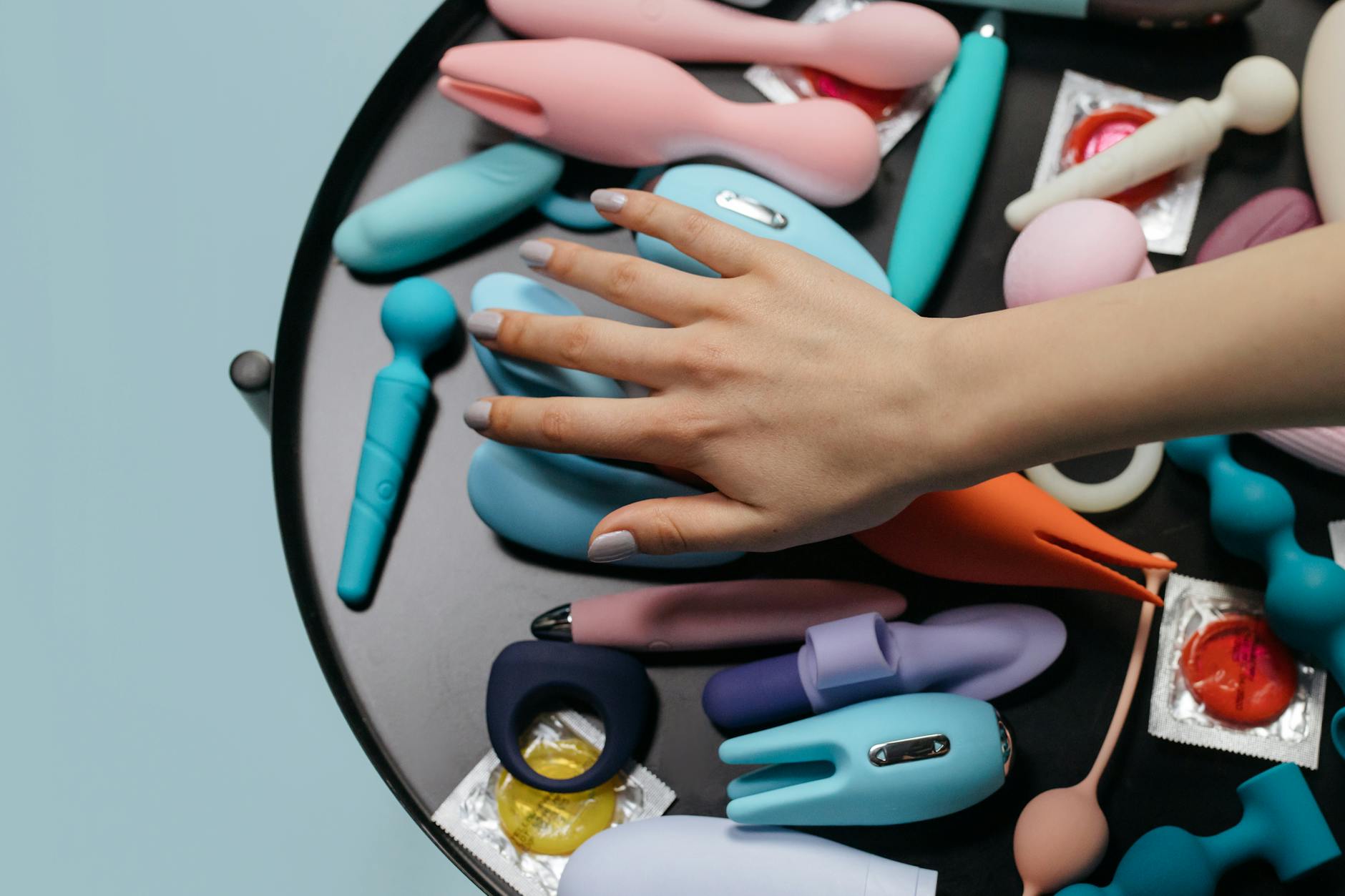
Photo by cottonbro studio on Pexels
How to actually test a lemon vibrator
If you're buying online without being able to test it in person, here's what helps. Read reviews, but don't trust reviews that say "worked for everyone" or "the best vibrator ever." Trust reviews that say something specific like "I have a less responsive clitoris and this finally worked" or "I was expecting more intensity." Specific feedback tells you whether someone's baseline matches yours.
When your lemon vibrator arrives, don't immediately use it on the highest setting. Start with the lowest. Notice how it feels, where the suction seal works best, whether the pulsation rhythm appeals to you. Your first experience should be exploratory, not goal-oriented.
If you're using a lemon vibrator with a partner, walk them through your baseline first. Explain what intensity tends to feel good, what doesn't, and where your clitoris is positioned. Most partners have no idea that geometry matters. Teaching them means they can help you use the lemon sucker more effectively.
The adjustment period is real
Your body takes time to learn new sensations. If you're switching from traditional vibrators to a lemon vibrator, or if you've never used any toy before, expect a 3 to 5 session adjustment period. Your nervous system is learning a new pattern. That's normal.
During this time, don't judge whether the lem vibrator is right for you. You're still in the exploration phase. After five or six uses, you'll have a real sense of whether this particular design works for your body.
When sensitivity changes, your choice should too
Your body isn't static. After 30, 40, or 50, your responsiveness might shift. After pregnancy, after hormone changes, after periods of high stress or low desire, the clitoral vibrator that worked brilliantly might need a partner tool or might need to be replaced entirely.
That's not failure. That's adaptation. A good lemon vibrator with multiple intensity settings handles some of this. But if you find yourself never using the tool you bought, or using it less and less, check in with what's actually changed. Sometimes it's the tool. Sometimes it's your body's needs in this season.
The permission piece
Here's what I see most often in my practice: people buy a clitoral vibrator, don't love it immediately, and assume they're broken or not meant to enjoy toys. They shelve it and never try again.
Your body isn't broken. You might just need a different tool, a different approach, or a different moment in your cycle. Pleasure is worth the effort of figuring out what actually works for you. A lemon vibrator from Hello Nancy, or any other option, is just a tool. The real work is permission.
People also ask
How do I know if a lemon vibrator will work for my sensitivity level?
Start with the lowest intensity setting and notice how your body responds. If low intensity feels numb or unpleasant, you likely need more pressure or a different stimulation style. If it feels too intense even on the lowest setting, you have higher sensitivity and should look for adjustable intensity options. Most people find medium intensity is the sweet spot, but the only way to know is to try it.
Can I use a lemon clitoral vibrator if I've never used a vibrator before?
Absolutely. In fact, some first-time users prefer lemon vibrators because the suction sensation feels less intimidating than traditional vibration. Start with the lowest intensity, take your time with arousal, and remember that your first experience isn't a performance. It's just learning what your body likes.
What if my partner and I have different sensitivity levels?
This is common and totally manageable. A lemon vibrator with multiple intensity settings helps because you can adjust it for each person. Or you might discover that you prefer different tools entirely. The key is talking about it without shame. One person's high sensitivity isn't better or worse than another person's lower sensitivity. They're just different hardware.
How often should I use a lemon vibrator?
There's no "right" amount. Some people use toys several times a week, others monthly, others not at all. What matters is that your usage feels good and sustainable. If you're using it compulsively to reach orgasm every single time, check in with yourself about why. If you're enjoying it as one option among many, that's healthy exploration.
Does using a lemon sucker regularly affect my sensitivity to partnered touch?
This is a common worry. The short answer is no. Using a vibrator doesn't numb you to human touch. What sometimes happens is that you become more aware of what intensity level you actually need, and partnered touch might feel different because it's a different type of stimulation. That's not damage. That's information.
Should I tell my doctor about vibrator use?
If you have pain during vibrator use, or if your desire has dropped significantly, yes. But routine vibrator use is normal sexual health. You don't need permission or a medical blessing. If you have specific health conditions like nerve damage, pelvic floor dysfunction, or hormonal changes, a provider familiar with sexual health can help you figure out what tools and approaches will work best.
Your body is specific. Your pleasure is specific. A lemon vibrator might be exactly right for you, or it might not be. The only way to find out is honest exploration, permission, and patience with yourself. When you do find the right match between your anatomy and the right clitoral vibrator, the difference is noticeable. That's worth the effort.
If you're navigating intimacy questions with a partner, or if pleasure changes are tied to relationship shifts, reach out. That's where real connection lives.