
The sensation shift nobody mentions
You started hormonal birth control and something felt off. Not wrong, exactly. Just. Muted. Your partner touches you and you feel it, but not the way you used to. Orgasms take longer, feel less intense, or don't arrive at all. The weird part? Everyone told you this shouldn't be happening. Hormonal contraception is supposed to be seamless. So you assumed it was you. It's not. This is one of the most common side effects of hormonal birth control, and almost nobody talks about it.
What hormonal birth control actually does to sensation
Hormonal contraception works by suppressing ovulation, which means it flattens your natural hormone cycle. But your body doesn't just use hormones for fertility. Estrogen and testosterone are major players in arousal, genital sensation, lubrication, and orgasm intensity. When you're on hormonal birth control, these hormones don't fluctuate the way they naturally would. They stay steady and artificially lowered.
The result: reduced blood flow to the genitals, thinner vaginal tissue, less natural lubrication, and a measurably lower libido. This isn't psychological. It's biochemical. Studies show that people on hormonal contraception report significantly lower desire, arousal, and orgasm satisfaction compared to before they started.
But here's what's important: sensation loss is not inevitable. Different formulations affect people differently. And when sensation does fade, there are specific tools and strategies that work exceptionally well to restore it.
Why lemon vibrators are different from standard vibrators
If you've tried a traditional vibrator and it felt like too much direct stimulation or just sort of... nothing, that's because traditional vibrators rely on friction and direct pressure. When hormonal birth control thins vaginal tissue and reduces blood flow, direct pressure can feel uncomfortable, overstimulating, or numb depending on what part of your cycle you're in.
Lemon clitoral vibrators, like the options available through Nancy's Lems Shop, use suction and pulse technology instead. Rather than buzzing directly against tissue, they create a gentle rhythm of suction that stimulates the entire clitoral complex. This matters because suction engages deeper nerve pathways without requiring the same intensity of direct touch.
For people experiencing sensation loss from hormonal contraception, this is a game-changer. You get targeted, powerful stimulation without the surface-level harshness. Many of my clients report that switching from a traditional vibrator to a lemon sucker felt like turning a light back on.
The intensity timeline that actually works
When sensation is muted, the temptation is to jump straight to the highest intensity setting. That usually backfires. Instead, start with a different approach entirely.
Week one: use your lemon vibrator on the lowest setting, 10-15 minutes daily, alone. No pressure to orgasm. The goal is to wake up nerve endings and rebuild sensitivity. This is not foreplay. This is nervous system training.
Week two: add one or two settings higher, still solo. Notice what you feel. Tingling? Spreading warmth? A building sensation? These are good signs that blood flow is returning to the area.
Week three: try combining suction with light manual stimulation from your other hand. The dual sensation helps train your brain to recognize multiple types of touch as pleasurable.
Week four onwards: once sensation is returning, you can start experimenting with higher intensity and incorporate your lemon clitoral vibrator into partnered sex or longer solo sessions.
This timeline is not a rule. Your timeline might be faster or slower depending on which birth control you're using, how long you've been on it, and your baseline sensitivity. But the principle is the same: start low, build gradually, and prioritize consistency over intensity.
When to consider talking to a doctor
Some people find their sensation returns naturally as their body adjusts to hormonal birth control, usually after 3-6 months. Others don't. If you've been on your current contraception for 6 months or longer and sensation loss is significantly affecting your quality of life or relationship, it's worth a conversation with your doctor.
There are options. Different formulations of hormonal birth control have different hormone doses and ratios. Sometimes switching from the pill to a patch or IUD, or changing which type of pill you take, makes a dramatic difference. It's not guaranteed, but it's worth exploring.
Also worth mentioning: if sensation loss is paired with severe mood changes, zero libido, or depression, that's a signal that this particular contraception might not be right for your body. Your doctor can help you weigh the trade-offs and find an option that works better.
Rebuilding pleasure alongside your partner
If you're in a relationship, the sensation fading that comes with hormonal birth control can feel like a betrayal of the early connection you had. Your partner might feel rejected or confused. You might feel broken. You're neither.
What helps: separating the conversation about your body from the conversation about your relationship. "My body is responding differently to this birth control" is distinct from "I'm less attracted to you" or "I'm less interested in sex with you." They can sound the same to a confused partner, but they're not.
Inviting your partner to explore lemon vibrators with you can actually be powerful. You're not hiding the sensation loss or pretending it's not happening. You're actively working on pleasure together. Some couples find that this honesty and teamwork actually deepens intimacy more than sex felt before.
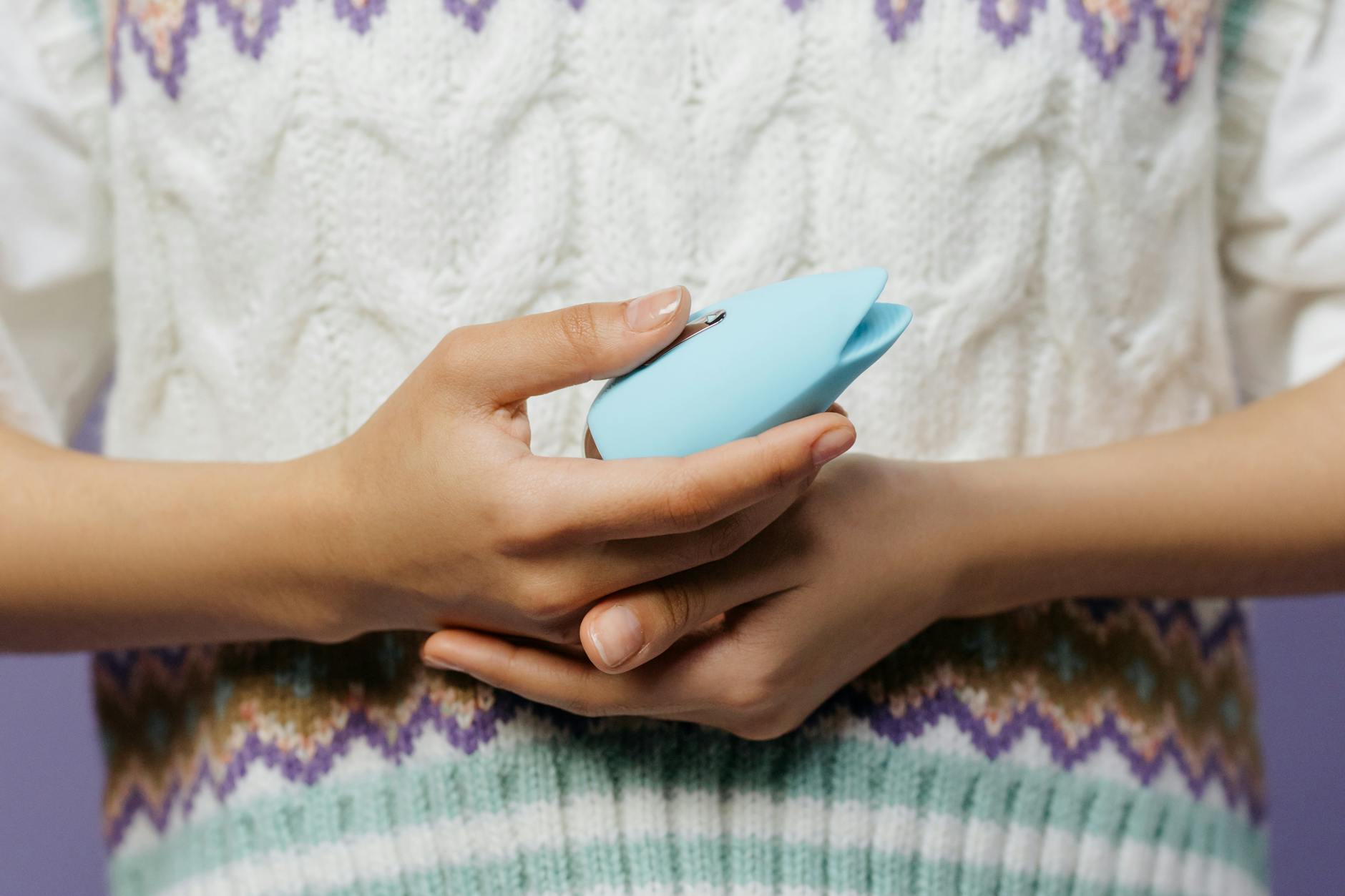
Photo by cottonbro studio on Pexels
Lubrication becomes non-negotiable
Hormonal birth control reduces natural lubrication. This isn't a personal failing. It's a hormonal effect. But it matters for sensation and comfort.
Use water-based lubricant every time you use your lemon vibrator, especially in the early weeks when you're building sensation back. The combination of suction plus lube helps nerves wake up faster and makes the entire experience more comfortable. You're not "broken" if you need lube. You're working with the reality of how your body responds to your contraception.
Silicone-based lubes feel richer and longer-lasting, but they can degrade silicone toys over time. Stick with water-based for your lemon clitoral vibrator. It's a small thing that prevents damage and keeps your experience smooth.
When sensation fades despite everything
Sometimes you try all of this and sensation still doesn't return. That's a signal worth taking seriously. Your body might be telling you that this particular birth control method isn't sustainable for your sexual health, even if it's perfect for other reasons.
That's not a failure. It's data. You can use that data to explore other contraception options with your doctor, or to make peace with the trade-off you're making ("I'm choosing this birth control knowing it will affect my sensation, and that's my choice"). Both are valid.
But you don't have to stay silent about it. And you don't have to assume that sensation loss is just something you accept. For many people, switching methods or adding tools like lemon vibrators genuinely restores pleasure.
FAQ
Does every hormonal birth control cause sensation loss?
No. Some people experience significant dulling, others notice nothing at all. It depends on the formulation, your individual hormone sensitivity, and other factors we don't fully understand yet. If you've experienced this, you're not imagining it. But it's also not a guaranteed side effect for everyone.
How long does it take for a lemon vibrator to help restore sensation?
Most people notice a shift within 2-4 weeks of consistent use. Sensation doesn't usually flood back suddenly. It's more gradual. You'll notice you feel a little bit more, then a little bit more. If you're not noticing any change after 6 weeks, that's a sign to try a different approach or talk to your doctor.
Can I use a lemon sucker if I have an IUD?
Yes. Suction-based vibrators like lemon clitoral vibrators are completely safe with any form of birth control, including IUDs. The suction works on external tissue, not internally, so there's no risk of displacement.
Is sensation loss from birth control permanent?
Not usually. For many people, sensation returns once they stop the hormonal contraception or switch to a different method. But the longer you've been on a particular formulation, the longer adjustment might take afterward. Give your body time.
Should I tell my partner about using a lemon vibrator to deal with this?
That's your call. But speaking from a relationship perspective, honesty about what's happening in your body usually strengthens connection more than silence does. Your partner probably already senses something is different. Naming it directly and inviting them into a solution tends to feel better than managing it alone.
What if I switch birth control and sensation still doesn't return?
Talk to your doctor about whether other factors might be at play. Stress, depression, relationship issues, and medications can all affect arousal and sensation. A good doctor will help you sort through what's hormonal versus what might be something else. In the meantime, lemon clitoral vibrators remain a useful tool regardless of the cause.
The bottom line
Sensation loss on hormonal birth control is real, it's common, and it's not your fault. It also doesn't have to be permanent or untreatable. Lemon vibrators, with their suction-based design, offer a path back to pleasure that works differently than standard vibrators. Start low, be consistent, and give your body time. If sensation still isn't returning after several months, that's important data for a conversation with your doctor. Your pleasure matters. It deserves attention and care, not resignation.
If you're ready to explore what a lemon clitoral vibrator can do for your sensation, Nancy's Lems Shop carries options designed specifically to meet you where you are. You might also find it helpful to read about how to find the right lemon vibrator intensity setting for your body to dial in exactly what works best. And if you're navigating this shift with a partner, how to use lemon vibrators with a partner who prefers hands-on stimulation might offer some helpful perspective.