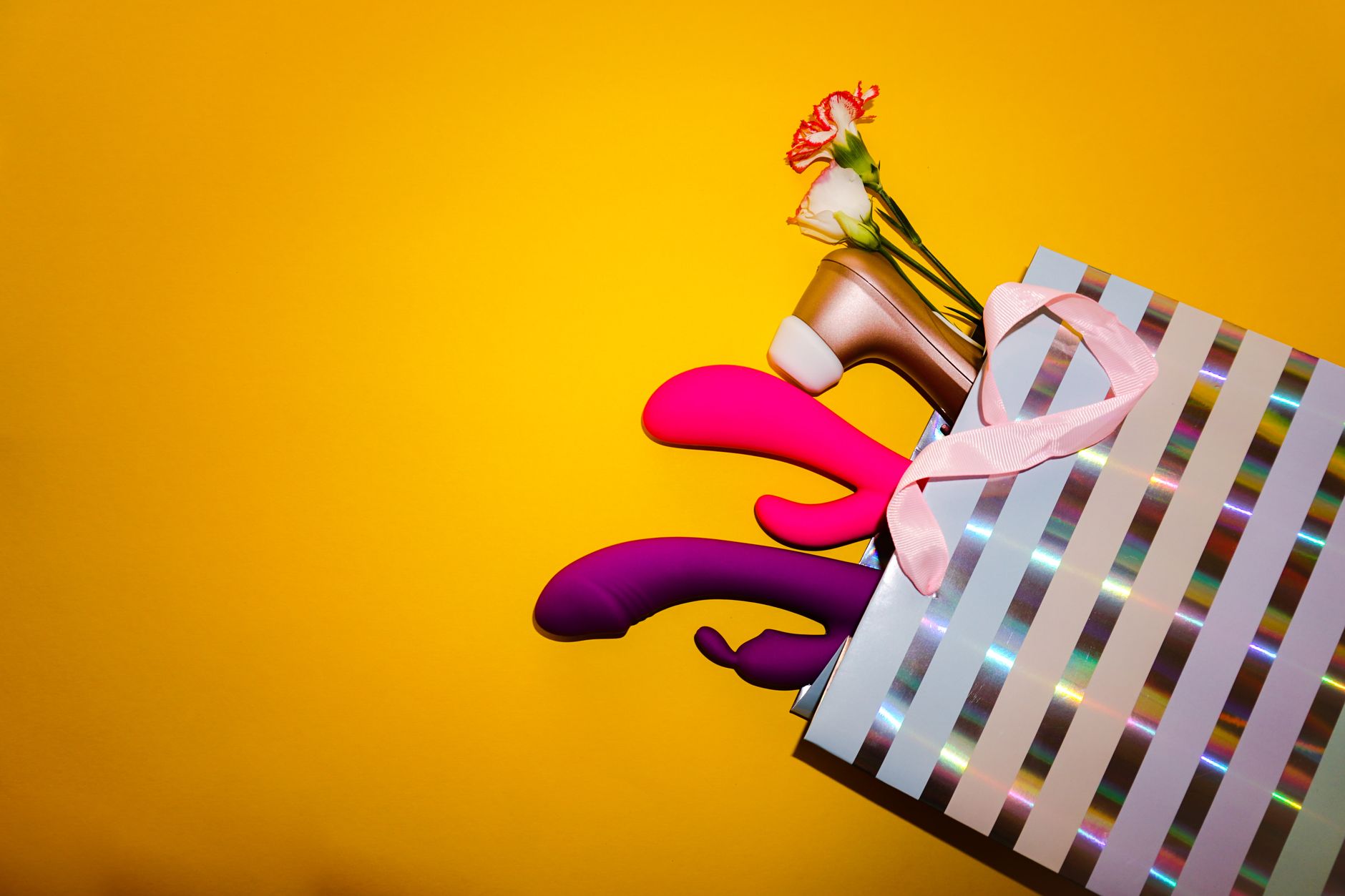
Here's the thing about how vibrators actually work on your body
Most vibrators are built around one idea: intense vibration against sensitive tissue. They buzz. They rumble. They're designed to overwhelm nerve endings with rapid mechanical stimulation. For some people, this works great. For others, it's too much. Your clitoris gets numb. The sensation turns from pleasure to irritation. You end up pressing harder, trying to feel something, which makes everything worse.
Lemon vibrators, especially air-suction clitoral vibrators, work on a completely different principle. Instead of direct friction, they create a gentle suction pulse that stimulates the thousands of nerve endings in your clitoris without wearing them out. The difference isn't subtle. It's the difference between someone tapping your shoulder over and over versus someone gently squeezing your hand.
The anatomy of clitoral sensitivity most vibrators ignore
Your clitoris has roughly 8,000 nerve endings concentrated in a space smaller than a pea. That's more nerve density than anywhere else on your body. But here's what most vibrator companies don't tell you: those nerves aren't built for sustained direct pressure.
When you use a traditional vibrator for long periods, those nerves habituate. They stop firing. It's called sensory adaptation, and it's why you find yourself turning up the intensity, chasing a sensation that keeps slipping away. You're not broken. Your nerves are just doing what nerves do.
Air-suction clitoral vibrators like the Lem work with your neurology instead of against it. The suction creates a rhythmic pressure wave that stimulates your clitoris from multiple angles at once. This engages more nerve fibers, more frequently, without the numbing effect of constant mechanical vibration.
Why direct vibration causes numbness and what lemon vibrators do differently
There are three reasons traditional vibrators often lead to reduced sensation over time.
First: repetitive mechanical stimulation fatigues nerve endings. Your nervous system is designed to detect change. When the same stimulus repeats endlessly, your nerves stop responding. It's why you don't feel your clothes on your skin after a few minutes, but you feel a mosquito landing immediately. Direct vibration is predictable. Your body tunes it out.
Lemon vibrators vary their stimulation pattern. The air-suction pulse changes slightly with each cycle, which means your nerves stay alert. They don't habituate. You feel more, not less, over time.
Second: direct mechanical pressure can cause microtrauma. This is especially true if you're pressing a vibrator hard against sensitive tissue for extended periods. It's not visible damage, but it's irritation at the cellular level. Your body responds by desensitizing the area, a protective mechanism. The more you vibrate, the less you feel.
Suction avoids this entirely. There's no sustained pressure on one spot. The sensation is distributed, which means no microtrauma, no inflammatory response, no numbing.
Third: vibration intensity creates a ceiling effect quickly. Traditional vibrators max out. Once you've found your intensity, there's nowhere to go. Adding more vibration doesn't feel better. It just feels louder. With air-suction technology, the suction intensity can be modulated, giving you a much wider range of sensation to explore without hitting that plateau.
The research behind air-suction clitoral stimulation
The science of air-suction isn't new. Dental offices have used air-suction for decades. Surgeons use it to remove fluid with precision. The technology is proven safe and effective.
What's newer is applying it to clitoral pleasure. Studies on clitoral ultrasound and air-pulse stimulation show that pulsed air-suction technology activates clitoral tissue in a way that traditional vibration doesn't. One review published in the journal Sexual Medicine found that patients using pulsed air devices reported higher orgasm rates and greater satisfaction compared to standard vibrators, particularly among people who struggle with traditional vibration.
The reason comes down to neural specificity. Your clitoris has different types of nerve fibers, each responding to different stimuli. Some prefer steady pressure. Others respond better to rhythmic pulsing. Air-suction activates more of those fiber types simultaneously, which is why the sensation feels richer and less likely to plateau.
Who benefits most from lemon clitoral vibrators
Three groups of people see the biggest improvement switching from traditional vibrators to air-suction technology.
People with reduced sensation or numbness. If you've used powerful vibrators for years, your clitoris might feel less responsive. You might think you need even more intensity. Actually, you need the opposite. You need a completely different type of stimulation. An air-suction lemon vibrator bypasses the numbed pathways and wakes up different nerve endings. Many people report that after a few weeks of using suction stimulation exclusively, traditional vibrators start feeling intense again.
People with sensitive skin or inflammation. If your vulva is easily irritated, prone to thrush, or just acutely sensitive, direct mechanical vibration can worsen things. Suction is gentler. There's no friction. There's no risk of microtrauma. The Lem, for example, is designed specifically for contact-sensitive skin.
People who find traditional vibrators too intense or numb-inducing. If you've always felt like vibrators are either unbearable or boring, suction might be your answer. It sits in a different sensory space entirely.
How to transition from traditional vibrators to air-suction lemon vibrators
If you've been using traditional vibrators and want to try air-suction, a few things will help the transition feel natural.
Start at the lowest setting. Don't assume you need intensity just because you've been using powerful vibrators. Air-suction works more efficiently. You'll feel more at lower settings than you might expect.
Give it time. Your body has been primed for a certain type of stimulation. It might take a few sessions for your nervous system to adjust to a new sensation. That's normal. By session three or four, most people report that the suction feels more natural and more pleasurable.
Use lubricant. Water-based lubricant helps the suction seal properly and reduces friction on sensitive skin. It also makes the whole experience feel smoother.
Experiment with positioning. Unlike traditional vibrators, which work best with direct contact, air-suction vibrators can work from slightly different angles. Find what feels best. Some people prefer direct contact. Others find that backing off slightly changes the sensation in a better way.
Common questions about switching to air-suction lemon vibrators
Will I still be able to use traditional vibrators? Yes. Your sensitivity will likely improve, not disappear. You're not rewiring your nervous system. You're just giving it a break from one type of stimulation and introducing another.
How long do I need to use air-suction before I notice a difference? Most people notice something within the first session. The full benefit, where traditional vibrators start feeling intense again, usually takes two to four weeks of regular use.
Is air-suction safe for everyone? It's safe for almost everyone. If you have a pacemaker or certain medical implants, check with your doctor first. If you have active infections or open sores, wait until those heal. Otherwise, air-suction is gentler and safer than traditional vibration.
Will a lemon vibrator feel weird at first? Probably, if you've only ever used traditional vibrators. Weird isn't bad. It's just different. Give it three uses before deciding whether you like it.
Why Hello Nancy specializes in air-suction lemon vibrators
We built the Lem specifically because so many people felt let down by traditional vibrators. They either burned out after months of use or never worked for sensitive skin in the first place. Air-suction technology was the answer, but it wasn't accessible or affordable. We changed that.
The Lem is engineered with medical-grade silicone, waterproof design, and variable suction intensity. It's quieter than most vibrators. It's more efficient, which means the battery lasts longer. And it costs less than the high-end vibrators you'd find elsewhere.
If you've struggled with traditional vibrators, if numbness has been an issue, or if you're just curious about a different approach to clitoral pleasure, the Lem is worth exploring.
FAQ: Air-Suction Vibrators and Clitoral Sensitivity
How does air-suction stimulation compare to vibration at a neurological level?
Vibration triggers rapid, repetitive firing of the same nerve fibers, which causes habituation quickly. Air-suction creates rhythmic pressure waves that activate multiple nerve fiber types simultaneously and vary from cycle to cycle, preventing habituation. This means sustained pleasure without the numbing effect most people experience with traditional vibrators.
Can air-suction lemon vibrators help if traditional vibrators have made my clitoris numb?
Yes, often significantly. If your clitoris has habituated to traditional vibration, switching to air-suction exclusively for two to four weeks frequently restores sensitivity. This is because you're engaging different neurological pathways. When you return to traditional vibrators after this break, they often feel intense again.
Are lemon clitoral vibrators safe for people with vulvodynia or chronic pelvic pain?
Air-suction vibrators are gentler than traditional vibrators because there's no friction and no sustained pressure on sensitive tissue. Many people with vulvodynia tolerate suction better. Start at the lowest setting and listen to your body. If pain increases, stop. If you have diagnosed vulvodynia, discuss any new toy with your pelvic health physical therapist first.
What's the difference between a lemon vibrator and other air-suction toys on the market?
The Lem uses medical-grade silicone and patent-pending suction technology. Many air-suction toys are weaker or less reliable. The Lem is engineered for consistent performance, longer battery life, and a design that accommodates different body shapes and sizes. Quality matters when your goal is sustained pleasure without habituation.
How long does it take for my body to adapt to air-suction if I've only ever used traditional vibrators?
Most people feel a noticeable difference within the first one or two uses. Full neurological adaptation, where traditional vibrators start feeling more intense than before, typically takes two to four weeks of regular use. Consistency matters more than duration per session.
Can I use a lemon vibrator with a partner, or is it mainly for solo play?
You can absolutely use air-suction vibrators with a partner. In fact, many couples find that suction-based stimulation feels less isolating than traditional vibrators because it requires less intensity and allows for more varied positioning. See our guide on best lemon clitoral vibrators for partner play for specific tips.
The bottom line
Traditional vibrators work for many people. But if you've experienced numbness, if your skin is sensitive, or if you've just never felt satisfied with conventional vibration, air-suction lemon clitoral vibrators offer a genuinely different path. The technology is proven. The experience is richer. And your clitoris will thank you for a break from the relentless buzz of old-school vibrators.
Ready to explore? Start with the lowest setting, use water-based lubricant, and give yourself permission to feel something new. Your pleasure matters, and you deserve tools that actually work for your body, not against it.